Monday, August 22, 2011

Snuff/Ölüm Pornosu


Before starting to write about the book, let me tell you about a special situation in Turkey. The book is currently in court with some stupid censorship case suggesting that "it's pornographic and can harm the children's values". Of course, any parent wouldn't let his/her children read a book named 'Snuff' (Porn of Death in Turkish), but our government is incredibly concerned about the well-being of youngsters (!), so it feels responsible to protect the kids from books and films and such. So of course, the book is a best-seller now.


Ölüm pornosu Türkiye'deki malum davayla gündemimize gelip en çok satanlar listesine girdi, şimdi buna destek vermek mi desek, merak kediyi öldürür mü desek, yoksa cinselliği kısıtlanmış Türk milletinin azgınlığı mı desek bilemiyorum. Zira, kitabın iyi olduğundan bu kadar satmadığı belli. Maalesef 'Ölüm Pornosu' Chuck Palahniuk'un en iyi romanı olmadığı gibi, aslında vasat bir roman bile değil.

The book has the claim to show the ugly truth about the porn industry, but lacks in any deep observations about porn or sexuality and of course it has no ethical/moral concern (if you know Palahniuk more or less, you can guess that already I'm sure).The only thing the book tries to accomplish is to create a strong reaction from the reader. But the method is too obvious for it to create such a reaction, so at the end, you just stand there with the book in your hands, wondering why it was written in the first place.


Porno sektörünün iç yüzünü anlatmak iddiasıyla yola çıkan kitap, pornoyla ilgili ahlaki sorunlarla uğraşmadığı gibi (zaten Palahniuk'u az çok tanıdıysanız böyle dertleri olmadığını tahmin edersiniz), pornoyla ve cinsellikle ilgili derin gözlemler de içermiyor. Kitabın yapmaya çalıştığı tek şey, okuyucunun üstüne gelip onun bir tepki göstermesini sağlamak. Ama bunu o kadar göze batırırcasına yapıyor ki o da işe yaramıyor. Benim kitaba verdiğim tek tepki, bir süre cips yememek oldu!

'Snuff' is the recording of real-life scenes resulting in death and most of the time involving torture and rape. This book is a "snuff" because the porn queen Cassie Wright agrees to be with 600 men consequently in order to break the record. Everyone in the book, including Cassie, is very well aware that Cassie will die at the end, but no one cares about it. This gruesome expectation, with the lost child of Cassie are the main stories of the book.


Kitabın İngilizce adı 'Snuff' yani ölümle sonuçlanan gerçek görüntülerin çekilmesi, bunlara çoğunlukla tecavüz de eşlik ediyor. Bu kitabın adının 'Snuff' olma nedeni ise, rekor kırmak için üst üste 600 erkekle birlikte olmayı kabul eden porno kraliçesi Cassie Wright. Cassie dahil setteki herkes Cassie'nin bu çekimden canlı çıkmayacağını biliyor, ama kimsenin bu konuyla ilgilendiği yok. Bunun yanı sıra Cassie'nin gençten doğurup evlatlık verdiği çocuğuyla olan hikayesi ana hikayeyi oluşturuyor.

The only interesting and entertaining thing about the book is the fun facts about porn and movie industry, like the fact that the first blow-up doll was ordered by Hitler in order to portray the perfect German race and Marilyn Monroe's long baths on ice in order to make her boobs more pointy and the fact that she made one of her shoes shorter in order to have a bouncy behind.


Kitabın tek ilginç ve eğlenceli tarafı ise porno ve sinema sektörüne dahil araya serpiştirilen bilgiler. Mesela ilk şişme bebeğin mükemmel Alman ırkını temsil etmesi için Hitler tarafından yapılması, Marilyn Monroe'nun göğüsleri diri görünsün diye yaptığı saatlerce süren buz banyoları ve kalçası daha çok sallansın diye ayakkabılarından birinin topuğunu kısaltması.

At the end, the book leaves the reader with nothing to account for and what's worse is that it isn't even entertaining. My advice for someone who wants to read Palahnuik would be to choose a different book.


Sonuç olarak ise kitap hiçbir şey vermeyen bir kitap, üstelik eğlendirici bile sayılmaz. Benim tavsiyem Palahniuk okumak istiyorsanız başka kitaplarına yönelmeniz.

Blogger N'lerini Seçiyor

Bu işi yapmakta sonuncu oldum herhalde ama, madem ki Vladimir beni mim'lemiş, benim de sizi mim'lemek boynumun borcu diyorum ve başlıyorum.
Olay şu:

-Öncelikle başlığı "Blogger N'lerini seçiyor" şeklinde yazıyoruz.

-Her kategoriye en fazla 3 blog yazabiliyoruz (en çok kendini anlatan kategorisi hariç, onun sınırı 5)

-İstersek bir kategori daha ekleyebiliyoruz, ama bunun en zeki, en akıllı, en güzel gibi kategoriler olmamasına, ya da insanları rencide etmemesine dikkat ediyoruz.

-Bir blog birden fazla kategoriye yazılabilir.

İşte benim N'lerim:
En İyi Tasarıma Sahip Blogger: madebyozlemakin
En Meraklı Blogger: devrimakkaya
En Çok Bilgilendiren Blogger: sinema bir mucizedir
En Çok Eleştiren Blogger: gaykedi
En Çok Kendini Anlatan Blogger: pisikopati , devrimakkaya
En Akıcı Yazan Blogger: pisikopati , vladimir'in derdi
En Çok Güldüren Blogger: eddie finnerty'nin muhteşem kaderi , pisikopati , tv benim canım


Wednesday, August 17, 2011

Şairden Romancı Olmaz!


'Şairin Romanı'nın adını gördüğümde tüylerim hafiften dikilmişti zaten, bir de 'Yüksek Topuklar' faciasından sonra kolay kolay Murathan Mungan romanı okumazdım, hele bu kadar uzununu... Okumazdım ya, illederoman'da ayın kitabı olunca el mecbur okumak (eziyetini çekmek) zorunda kaldım.
Çok az kitaba karşı bu kadar şiddetli tepki duyarım, ama 'Şairin Romanı' bir çok yönden hataları olan ve işlemeyen bir roman maalesef. Tekrarlar ve laf uzatmaların yanına, ikide bir şiirle ilgili uğraşıldığı çok belli pasajlar ve "ben hayatın sırrını çözdüm" aforizmaları, zaten uzun olan konuyu iyice okunulmaz kılıyor. Kitabın 15 yılda yazıldığı çok belli, zira bazı bölümler birbirinden çok kopuk ve kitabın temposu (iki ileri-bir geri) okuyucunun sabrını zorlar gibi.

Kitaba dair nefretimi kustuktan sonra, şimdi geçelim konuya. Masalsı bir şiir dünyasında bir seri katil ve onu yakalamaya çalışan bir dedektifin hikayesi. Bunun yanında 50 yıl önce Anakara'dan ve şiirden kaçan bilge şair Bendag ve kendini kapattığı evden yıllar sonra çıkıp yollara düşen Mootah Anakara'yı baştan başa aşıyorlar. Kitabı zorlaştıran noktalardan biri de aslında kitabın içinde iki ayrı kitap bulunması; fantastik bir yol romanı ve dedektiflik romanı. Bentag'la Mootah'ın gezdiği yolları anlatan bölümlerin bir kısmı başarılı, ama son 150 sayfaya kadar kitabın dedektiflik bölümü kitabı hantallaştırmaktan başka bir işe yaramıyor. Maalesef o son 150 sayfaya gelindiğinde kitaptan o kadar soğunmuş olunuyor ki, hikayenin sürpriz sonu bile okuyucuyu (en azından beni) etkileyemiyor.

Bunun yanında yan hikayelerden biri olan genç savaş şairi Serhenas'la başlayıp güzel şiir okuyucusu Zeheyra'nın hikayesiyle birleşen bölümler tüm bu kitapta öne çıkan ve beğendiğim tek yer oldu. Ama bu hikaye de uzun betimlemeler ve şiir üzerine didaktik pasajlara boğulduğundan tam olarak keyfini çıkaramadım.

Yaratılan şiir dünyası da, fantastik ya da masalsı olmaktan çok aşırı romantik ve biraz da didaktik bir dünya olmuş ve beni yeterince tatmin edemedi. Sonuç olarak, bu kitap eğer 200 sayfa daha kısa olsaydı belki farklı şeyler söyleyebilirdim, ama başta söylediğim gibi, yine anladım ki maalesef şairden romancı olmuyor!


P.S. Bir yazarın böyle bir fotoğraf çektirmesi sadece bana mı itici geliyor?

Friday, August 12, 2011

Photography Fridays: Dear Photograph

This week, I want to talk about the documentary aspect of photography, instead of aesthetics. When we put the aesthetics aside, every photograph, even the stage-one shot in a studio, is a witness to its time. Today, we learn most of the things about the last 100 years from photographs; big events and historical people, but also the fashion, living and cities of the time... Thus, when a photograph ages, it gains nostalgic value, as well as artistic and documentary-ones. Opposite of what Walter Benjamin suggests, the years that pass construct the photograph's aura.

Bu hafta, size fotoğrafın sanat işlevinden çok belge işlevinden bahsetmek istiyorum. Zira fotoğraftaki estetiği bir yana bırakırsak, her fotoğraf, hatta sahnelenmiş ve stüdyo ortamında çekilmiş olanlar bile, tarihe tanıklık eder. Bugün geçtiğimiz yüz yıla ait bir çok şeyi dönemin fotoğraflarından öğreniyoruz; büyük olaylar ve tarihi kişiliklerin yanında günün modası, şehirlerin eski halleri... Bu yüzden fotoğraf yıllandıkça sanatsal ya da belgesel özellikler dışında nostaljik özellikler de kazanıyor. Walter Benjamin'in savunduğunun aksine, geçen yıllar fotoğrafın aurasını oluşturuyor.

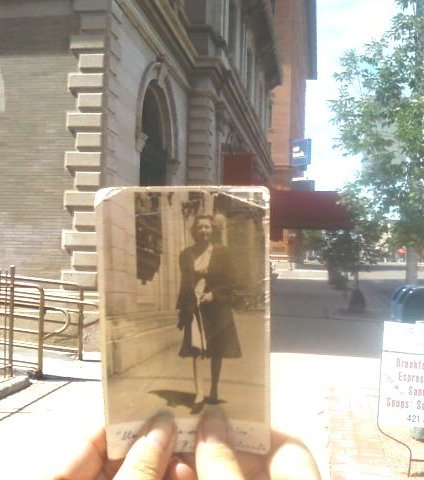
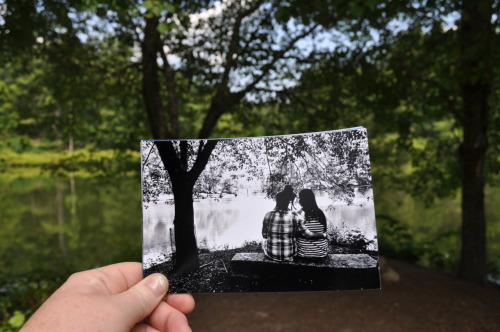
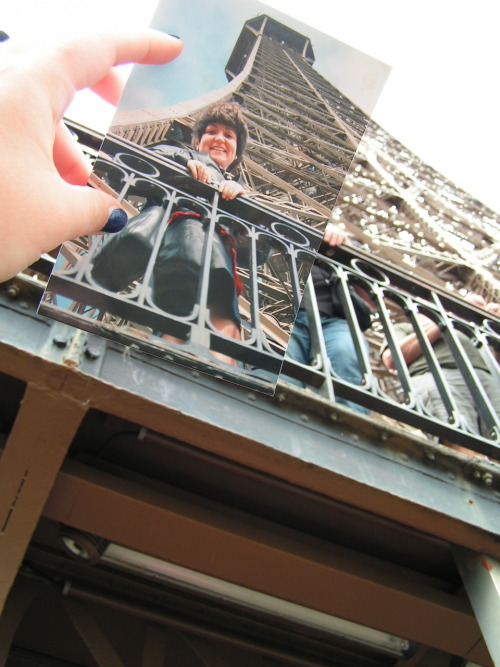
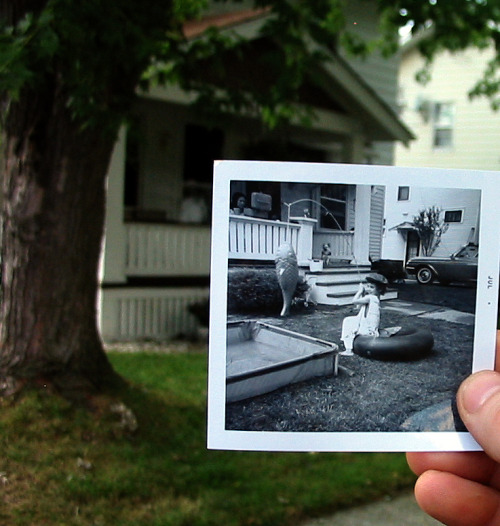
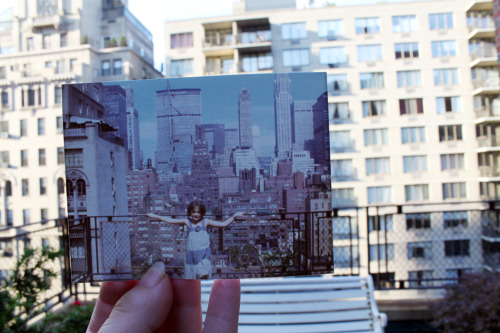
Dear Photograph, the site I want to talk about today emphasizes this aspect of photography. You take an old photo in your hand and stand where the photo was taken. By this way, the new photograph includes many years and interesting stories.

Bugün bahsedeceğim site de, fotoğrafın bu özelliklerine vurgu yapan bir site. Geçmişteki bir fotoğrafı elinize alıyorsunuz ve o fotoğraftaki mekana gidip elinizde eski fotoğrafla orayı fotoğraflıyorsunuz. Böylece aynı fotoğraf karesi içinde yılları ve ilginç hikayeleri barındırıyor.

Here are some of the photos on the site:

İşte bazı fotoğraflar:


Dear Photograph, If I could turn the corner in 1942 and walk right into my mother, I'd ask her "May I walk beside you one more time?"
Love, Your Daughter


Dear Photograph,
I fell in love with a woman. I'm not ready to let go... but she is.
McKenzie Dillingham

Dear Photograph,
Je t'aime Paris, but I love my mother more. After 15 years she finally brought me along.
Leah Romm


Dear Photograph, 
Oh, to put on daddy's hat and go for a big fish all over again! 
Deb Wheaton


Dear Photograph,
Oh, how the views change.
Suzanne Danzinger

All visuals are taken from Dear Photograph. To see more, go to the site.

Thursday, August 11, 2011

Adile Naşit'in Çıplak Gerdanı


Bu başlığı okuyunca tahrik olan kaç kişi var ülkede? Ya da Tosun Paşa'nın hamam sahnesini izlediğinde? Bir yandan Hatay'da mülteci kampında 400 kadına tecavüz edelim, diğer yandan ar ve haya duyguları diye Winnie the Pooh'la Adile Naşit'e sansür uygulayalım, otobüste voleybolcu kız dövelim. Ne var peki sırada?
Sonuçta bu hastalıklı adamların tahrik olması için bir şey gerekmiyor ki. Yoksa 400 Suriyeli mülteci kuyruk mu sallamıştı? Şöyle 400'ü birden? Bir de bence TRT artık at eşek de göstermesin, malum halkımın başka tahrik olduğu bir nokta, hem onlar sürekli kuyruk sallıyor...
Aile içi tecavüz, çocuk satma, turiste tecavüz, komşuya tecavüz, öğrenciye tecavüz, mülteciye tecavüz.... Sonra milletin ar haya duyguları diye ağlanalım, kokuşmuş bir milletiz anlamıyor musunuz, bizde ar haya ne gezer?

Quasimodo Mon Amour


The first time I met with 'The Hunchback of Notre Dame' was probably in elementary school. I watched the Walt Disney made animation film. But the real beginning of my love falls in the years of my French high school. I was probably 14 years old and France made its best musical ever, a musical adaptation of 'Notre Dame de Paris' with the famous song 'Belle'. Its vcd somehow found its way to my high school and suddenly turned into a true sensation, in every free class or other occasion was an excuse to make the students watch it. In fact, my classmates repeatedly made me ask the teacher (I was the teacher's pet) to skip the class and watch it instead. I think in a semester, I watched it 20 to 50 times... 

'Notre Dame'ın Kamburu'yla ilk tanışmam, herhalde ilkokuldaydı. Walt Disney'in yaptığı animasyon filmi izlemiştim. Ama aşkımın asıl doğuşu Saint-Benoit yıllarına denk düşer, yaş muhtemelen 14, benim için efsanevi olan 'Notre Dame de Paris' müzikali yapılıyor ve vcd'si Saint-Benoit'da birilerinin eline geçiyor. Sonrasında boş ders, etüt saati gibi bahanelerle okulca sürekli bu vcd'yi izliyoruz. Hatta hocanın beni çok sevdiğini bilen arkadaşlar, beni kafalayıp dersi kırmak için hocaya yalvartıyorlar, Fransızca dersi yerine gidip yine müzikali izliyoruz. Ben diyeyim 20, siz deyin 50 kere.


By this time, I'm already head over heals about Quasimodo and Esmeralda, and finally, after a long search I found a copy of the vcd too. Then I started to watch it every day at home, I memorized all the lyrics and even most of the dance moves.... At the end, my love was taken to other heights when I found an old bounded copy of 'Notre Dame de Paris' in a second-hand book store. Of course, the book was read in two-three days, which is the first of many readings I'll do in the future.


Zaten ben bu sırada Quasimodo'ya ve Esmeralda'ya sırılsıklam aşığım, uzun aramalardan sonra o vcd'den bir adet de ben buluyorum. Artık evde her gün 'Notre Dame de Paris' izleniyor, ben bütün şarkıları ezberliyorum... Derken bir sahafta eski kakmalı kaplı bir 'Notre Dame'ın Kamburu' buluyorum, kitabı da bir solukta okuyorum.


My love that started in 1998 came to today without any lost in heart. Sometimes, I may become very impressed of a book I read and think that that is my favorite book, but at the end I realize that my favorite book is and always will be 'Notre Dame de Paris'.


Ve 1998'de başlayan aşk bugünlere kadar hiç sönmeden geliyor. Bazen bir kitap okuyup çok etkileniyorum, en sevdiğim kitap bu diyorum, ama kısa süre sonra anlıyorum ki hiç bir kitap beni 'Notre Dame'ın Kamburu' kadar etkilemiyor.


The beauty of the book lies in its story and characters. You can even look it as a feminist, or at least, pro-women book today. Of course, Hugo wasn't an early feminist, but his infinite humanism included all humans, women, men, poor, even the crippled. According to him, every living in this universe has a right to live and live freely, to make the point, he picks the most marginal examples, a gypsy woman and a freak of nature. Esmeralda is a young and pretty gypsy and every man on Paris falls in love with him in very different ways the moment she sets foot on Paris. The handsome captain Phoebus only desires her sexually, the archdeacon of Notre Dame Frollo is bound to her with a tumultous and sick desire, the poet Gringoire's love for her is more of an admiration, but only the most frowned upon character; Quasimodo can love her selflessly. At the end of the book, Esmeralda became the victim of other people's desires and though Quasimodo takes her and took sanctuary in the cathedral, she is killed with the king's orders and Frollo's help.


Kitabın güzelliği, hikayesi ve karakterlerinde. Bugün bakıldığında kadın taraftarı sayılabilecek bir kitap. Hugo feminist olduğundan değil elbette, ama onun sonsuz hümanistliğinde her canlının yaşamaya hakkı olduğundan. Bunu anlatmak için yine çok uç bir örnek seçiyor ve her toplumca dışlananları, bir çingeneyle, bir ucubeyi ana kahramanı yapıyor. Esmeralda, genç ve güzel bir çingene kızı. Onun Paris sokaklarına gelişiyle romandaki her erkek ona farklı bir şekilde aşık oluyor. Yakışıklı asker Phoebus'ün Esmeralda'ya hissettiği sadece tensel arzudur, Notre Dame'ın baş rahibi Frollo ona gelgitlere sahne hastalıklı bir tutkuyla bağlanır, şair Gringoire ona hayrandır, kitapta onu gerçekten tek seven insan ise, insanların küçümsediği hasta ve sakat Quasimodo'dur. Kitabın sonunda ise, Esmeralda tüm bu tutkuların kurbanı olur ve Quasimodo'nun onu katedrale saklayıp sığındırmasına rağmen, kral ve Frollo tarafından öldürülür.


One of the main themes of the book is fate and the change of fate. Esmeralda (born Agnes), a daughter of a wealthy family, gets kidnapped by gypsies. They left the "freak" Quasimodo in her place. The mother abandons him and people believes him to be devil's son and wants to kill him. Frollo saves him and brings him to Notre Dame. When fate brings Esmeralda and Quasimodo together again, it will result in both their deaths.


Kader ve kaderin değişebilirliği kitabın ana temalarından biridir. Aslında zengin bir ailenin kızı olan Esmeralda (Agnes) bebekken çingeneler tarafından kaçırılır. Çingeneler onun yerine ucube doğmuş olan Quasimodo'yu bırakırlar. Halk, şeytanın çocuğu olduğuna inandıkları Quasimodo'yu öldürmeye çalışırken, Frollo onu himayesine alır ve onu katedralin zangoçu yapar. Kaderleri Esmeralda ve Quasimodo'yu tekrar buluşturduğunda, bu buluşma ikisinin de ölümüyle sonuçlanır.


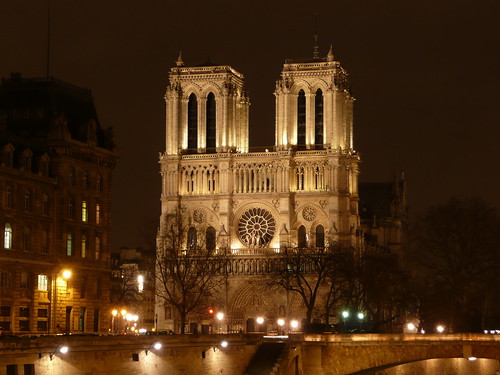
The real protagonist of the book, and one of its main themes is the cathedral of 'Notre Dame' itself. Hugo writes to book to save the cathedral which was in despair and even some people suggested to tear it down. After the book, not only the cathedral is restored, but gothic architecture revived as well. In the book, the cathedral is both a piece of architecture and the church itself, with people destroying the cathedral, it became a cemetery instead of a sanctuary and caused their deaths. The only person who doesn't cast out Esmeralda is Quasimodo, the one with the lowest status in the book. In this, Hugo declines the thought that the bad and intolerance rise from ignorance, it's the opposite, it's the knowledge the society imposes on us in forms of religion and tradition that creates discrimination. That is why only Quasimodo can love Esmeralda.


Kitabın asıl ana kahramanı ise 'Notre Dame de Paris' katedralidir. Bu kitabı Victor Hugo, 18. yüzyılda oldukça eskiyen ve yıkılması konuşulan katedrali kurtarmak için yazar. Nitekim kitaptan sonra katedral restore edilir ve bugünkü görkemli haline kavuşur. Kitapta katedral hem bir bina, hem de kilisenin kendisidir. Aslında koruyucu ve kucak açıcı olan kilise, insanların onu bozmasıyla bir mezarlığa dönüşür ve Esmeralda'yı korumak yerine ölüme mahkum eder. Esmeralda'yı dışlamayan tek kişi ise Quasimodo'dur, yani kitabın toplumdaki yeri en düşük olan kişisi. Bu sayede Hugo bize insanın içindeki kötülüğün ve hoşgörüsüzlüğün cahillikten değil, tam tersine bilgiden kaynaklandığını söyler. Çocukluğumuzdan itibaren aldığımız din, gelenek, görenek gibi çeşitli yüklemeler, ayrımcılığı yaratır, bu insanın özünde yoktur. Bu yüzden sadece hiçbir bilgisi olmayan Quasimodo Esmeralda'yı gerçek anlamda sevebilir.

'Notre Dame de Paris' is such a immortal book, that we can still see discrimination against many groups (and still against gypsies and women) through the whole world. Because of this and to debate on human nature, reading Hugo is one of the best gifts someone can give himself.


'Notre Dame'ın Kamburu'  o kadar ölümsüz bir kitap ki, bugün hala belli gruplara (ve hala çingene ve kadınlara) karşı aynı davranışları bütün dünyada görebiliyoruz. Hem bu yüzden, hem de insana dair bir şeyler düşünmek adına Victor Hugo okumak insanın kendine yapabileceği en büyük iyiliklerden biri.


Tuesday, August 9, 2011

A change of Scenery/ Yolcudur Abbas Bağlasan Durmaz


The protagonist of this story, our blogger is going somewhere, but where is the destination? Here is how the story goes, our protagonist is trying to get a scholarship and acceptance from a university for a master degree since December. First she got the scholarship, then got several acceptances from universities. The decided country is France, but which university she should pick? Finally, she decided on Lille.


Hikayemizin kahramanı blog sahibemiz yine leyleği havada gördü, açtı kanatlarını gidiyor. Ama nereye? Hikaye şöyle, bu zavallı arkadaş Aralık ayından beri yüksek lisans için burs ve okul peşinde koşturup duruyor. Önce burs çıkıyor, sonra okullardan kabul geliyor. İstikamet Fransa... Ülke belli de, okul için hangisini seçmeli, düşünüyor taşınıyor Lille'de karar kılıyor.

Lille is a historical flemish city 1 hour away from Paris, just on the border to Brussels. It's supposed to be a cultural, fun university city, close to Paris but cheaper. The university is done, the dorm is found and the hour of the departure is getting closer and closer...


Lille, Paris'ten bir saat uzakta eski bir Flaman şehri, Brüksel'in hemen kıyısında. Rivayete göre kültürel keyifli bir şehir, Paris'e yakın ama o kadar pahalı değil. Okul halloluyor, yurt bulunuyor derken kahramanımızın uçma vakti yaklaşıyor da yaklaşıyor.


If the heroine can get her visa in time, the departure is in 5th of September, if not, well, we'll see together what the hell she'll do about it. Let's hope not!


Bu arada hala vizesini alamamış kızımız vizeyi zamanında cebine atabilirse yolculuk 5 Eylül'e, alamazsa ne halt yiyecek onu zaten hepimiz göreceğiz...

LinkWithin

Related Posts with Thumbnails