Showing posts with label 1001 film. Show all posts

Friday, September 2, 2011

1001 Movies You Must See Before You Die

I have a lot of free time on my hands, so I calculated how many of the '1001 movies' I watched until now, you know, you never know I can drop dead tomorrow... I plan on doing these 1001 movies for a while for 'Cinema Mondays'. But first, let's see what films I did watch, the number is 254, we'll see how much more I can watch by the end of the year...

Evet, üşenmedim oturup "Ölmeden önce izlenmesi gereken 1001 film"den kaç tanesini izlemişim hesapladım, malum hayat belli olmaz, yarın bile ölebiliriz, bu kadar iddialı bir soruya kayıtsız kalamayız değil mi?  Bundan sonra 'Sinemalı Pazartesiler'de bir süre bu 1001 film içinden izlemediğim filmlere yer vereceğim. Ama önce neleri izlemişim onlara bakayım, ben hali hazırda bunların 254 tanesini izlemişim, bakalım yıl sonuna kadar bu sayıyı kaça çıkaracağım...


The decade when cinema is born. From this decade, I watched The Great Train Robbery and one of my favorite films of all times Un Voyage Dans la Lune/ A Trip to the Moon with its fantastic decors and extraordinary (!) special effects.

Sinemanın doğduğu yıl... Bu on yılda,  The Great Train Robbery/ Büyük Tren Soygunu ve en sevdiğim filmlerden biri olan, aya seyahati fantastik dekorlar ve muhteşem (!) efektlerle veren film Un Voyage Dans la Lune/ Aya Seyahat var.


From the 1910-1920, we have Griffith's still discussed masterpieces The Birth of a Nation and Intolerance and the film of criminals known as "vampires" Les Vampires/Vampires in the list. This decade was the true birth of cinema, because the last decade was more on experimenting with the camera and finding new technology and this decade created a film language and produced films still enjoyable today.

1910-1920 yılları Griffith'in hala çok tartışılan şaheserleri The Birth of a Nation/Bir Ulusun Doğuşu ve Intolerance/Hoşgörüsüzlük ve vampirler olarak bilinen bir suç grubunun filmi Les Vampires/Vampirler var. Bu on yıla gerçek anlamda sinemanın doğuşu diyebiliriz, zira bir önceki on yıl, daha çok kamerayı ve yeni teknikleri keşfetmeye odaklanmışken, bu on yılda, sinema dilinin oluştuğunu ve bu gün bile izlenebilen filmlerin ortaya çıktığını görüyoruz.


This decade witnessed the birth of Soviet Cinema and the art-house of today and also started the Hitchcock era that will become a true sensation through the world. The first documentaries The Man With the Movie Camera and Nanook of the North, alongside with the stunning performance of Maria Falconetti in La Passion de Jeanne D'Arc/The Passion of Joan of Arc, Luis Bunuel's Un Chien Andalou/ An Andalusian Dog with the eye cutting scene that is identified with the cinema itself today are the highlights of the decade. Another dominant style of the era is the German Expressionism with Das Cabinet des Dr. Caligari/ The Cabinet of Dr. Caligari and the first vampire movie Nosferatu. Also, you can name Alfred Hitchcocks semi-talkie (the film has sound in only half of it, the other half is silent!) Blackmail.

Bu on yıl, bir yandan Sovyet sinemasının doğuşuna, ve bugünkü anlamıyla sanat sinemasının atalarına şahit olurken, diğer yandan da, sinema dünyasını kasıp kavuracak Hitchcock dönemini başlatıyor. Sinema dünyasının ilk belgeselleri Dziga Vertov'un Man with the Movie Camera/Film Kameralı Adam'ı ve Nanook of the North/Kuzeyli Nanook'un yanında, Maria Falconetti'nin müthiş oyunculuğuyla La Passion de Jeanne d'Arc/Jeanne d'Arc'ın Tutkusu, sinemayla özleşen göz kesme sahnesiyle Luis Bunuel'in Un Chien Andalou/ Bir Endülüs Köpeği var. Bu on yılda ortaya çıkan diğer bir tür ise, Alman Ekspresyonist Sineması'ndan Das Cabinet des Dr. Caligari/ Doktor Caligari'nin Muayenehanesi ve ilk vampir filmi Nosferatu var. Alfred Hitchcock'un filmi ise yarı sesli (gerçekten filmin bir kısmında ses var, kalanında yok!) Blackmail/Şantaj.


30's are very important for the history of cinema both because of the transition of talkies and the arrival of first color movies. The most important art movies of the decade are Luis Bunuel's Age D'Or/ The Golden Age, the most important film of French Impressionism Partie de Campagne/ A Day in the Country and the controversial Nazi propaganda film of Leni Riefenstahl Triumph des Willens/ Triumph of the Will. This decade is also important for the most genuis comedian Charlie Chaplins' movies City Lights and Modern Times, the creator of suspense genre, alongside with Hitchcock, Fritz Lang's M, one of the first Disney movies Snow White and most beloved classics The Wizard of Oz and Gone with the Wind. 

1930'lar hem sesli sinemaya geçiş, hem de ilk renkli filmlerle, sinema tarihinin en yenilikçi on yılı. Bu on yılın en önemli sanat filmleri Luis Bunuel'in L'Age D'Or/ Altın Çağ'ı ve Fransız İmpresyonist akımının en önemli filmi Partie de Campagne/ Bir Kır Eğlencesi'nin yanı sıra, tartışmalar yaratan Leni Riefenstahl'ın Nazi propoganda belgeseli Triumph des Willens/İradenin Zaferi. Ayrıca bu on yılda gelmiş geçmiş en dahi komedyen Charlie Chaplin'in City Lights/Şehir Işıkları ve Modern Times/Modern Zamanları, Hitchcock'la beraber gerilim sinemasını yaratan Fritz Lang'ın M'i, ilk Disney filmlerinden Snow White/ Pamuk Prenses, ve on yılın en sevilen klasikleri The Wizard of Oz/ Oz Büyücüsü ile dünyanın en güzel aşk filmlerinden biri Gone with the Wind/Rüzgar Gibi Geçti ise, gerçekten ölmeden önce izlenmesi gereken filmler arasında.

Most important films of the 40's include Citizen Kane of the genius Orson Welles, Rossellini's Roma, Citta Aperta/ Rome, Open City and Kurosawa's Rashomon. The unforgettable classics of the era are Gilda, Casablanca, The Postman Always Rings Twice and It's a Wonderful Life. The darker side of cinema of the 40's are Hitchcock's Rebecca and the birth of film noir with Double Indemnity. Besides these classics, the films I watched this decade are; Beauty and the Beast, the sailor comedy with Gene Kelly and Frank Sinatra On the Town and Disney animations Fantasia, Pinocchio and Dumbo.

1940'lı yılların en önemli filmleri sinema dahisi Orson Welles'in Citizen Kane/Yurttaş Kane'i, bunun yanında Rossellini'nin Roma, Citta Aperta/ Roma, Açık Şehir'i ve Kurosawa'nın Rashomon'u var. Dönemin unutlumaz klasikleri Gilda, Casablanca, The Postman Always Rings Twice/Postacı Kapıyı İki Kere Çalar ve It's A Wonderful Life/Şahane Hayat. Hitchcock'un Rebecca'sının yanı sıra, bu on yıl aynı zamanda Double Indemnity/Çifte Tazminat ile film noir'ın da başlangıcına tanıklık ediyor. Bunun dışında bu on yıla ait izlediğim filmler; Beauty and the Beast/ Güzel ve Çirkin, Gene Kelly ve Frank Sinatra'lı denizci komedisi On the Town/Denizciler Geliyor ve Walt Disney çizgi filmleri Fantasia, Pinocchio/Pinokyo ve Dumbo.


The importance of the 50's lies for me in French New Wave and the beginning of Godard's carrier. The film I saw this decade includes the New Wave films A Bout de Souffle, Alain Resnais dealing with Nazis Nuit and Bruillard and another face-off with the 2nd World War Hiroshima Mon Amour. The American cinema was thriving in this decades with big studio movies, like my favorites Gigi with the calm beauty of Leslie Caron, Barefoot Contessa, Roman Holiday and Singin' in the Rain, but also Sunset Boulevard, An American in Paris and Seven Brides for Seven Brothers. The films I watched continue with a Tati comedy Mon Oncle, the angry men of Britain 12 Angry Men, those of the two biggest stars of the era; Marilyn Monroe's Gentlemen Prefer Blondes, Some Like it Hot and the film that created James Dean's short but fabulous career Rebel Without a Cause, Kurosawa's Seven Samurai and Rear Window, The Man Who Knew Too Much, The Wrong Men of Hitchcock.

1950'lerin benim için en önemli yanı, Fransız Yeni Dalga'nın ve dolayısıyla Godard'ın ortaya çıkışı, bu yılda Yeni Dalga akımından A Bout de Souffle/Serseri Aşıklar, Alain Resnais'nin Nazilerle hesaplaşması Nuit et Brouillard/Gece ve Sis'i ve Hiroshima Mon Amour/ Hiroşima Sevgilim bu on yılın en önemli sanat filmleri. Benim en sevdiğim filmler arasında olan güzelim Leslie Caron'lı Gigi, Barefoot Contessa/ Çıplak Ayaklı Kontes, Roman Holiday/Roma Tatili ve Singin' in the Rain/Yağmur Altında'nın yanı sıra, dönemin keyifli stüdyo filmleri Sunset Boulevard/ Sunset Bulvarı, An American in Paris/ Paris'te Bir Amerikalı, Seven Brides for Seven Brothers/Yedi Kardeşe Yedi Gelin. Bunun yanında Tati komedisi Mon Oncle/Amcam ve İngiliz'in kızgın adamları 12 Angry Men/ 12 Kızgın Adam, dönemin iki starı Marilyn Monroe'dan Gentlemen Prefer Blondes/Erkekler Sarışınları Sever ve Some Like it Hot/Bazıları Sıcak Sever ve James Dean'li Rebel Without a Cause/Asi Gençlik, Kurosawa'nın Seven Samurai/Yedi Samuray'ı, ve Hitchcock'un Rear Window/Arka Pencere, The Man Who Knew Too Much/Çok Şey Bilen Adam ve The Wrong Man/Lekeli Adam'ı, dönemin izlenmesi gereken filmlerinden.


The 60's are the decade of the thrillers as much as the art films. While French New Wave continues with my favorites of Godard Vivre Sa Vie, Pierrot le Fou, Week-end and Truffaut's Jules et Jim, this decade has a high importance for Fellini with 8 1/2 and Guiletta degli Spiriti/Juliet of the Spirits. Also Antonioni's Blow-up, his long lost film The Passenger and Chris Marker's La Jetée are the other famous art films. But for me, the best films of this decade are, without any hesitation or doubt, Ingmar Bergman's Persona and Luis Bunuel's Belle Du Jour.

1960-1970'ler sanat filmleri kadar bilimkurgu filmlerinin de on yılıdır. Fransız Yeni Dalgası Godard'ın en sevdiğim filmleri Vivre Sa Vie/Hayatı Yaşamak, Pierrot le Fou/Çılgın Pierrot ve Week-end/Hafta Sonu ve Truffaut'nun Jules et Jim/Jules ve Jim'iyle devam ederken, bu on yıl Fellini için de çok üretken geçer; 8 1/2 ve Juliet of the Spirits. Aynı zamanda Antonioni'den Blow-up ve The Passenger ve Chris Marker'dan La Jetée de dönemin önemli sanat filmlerindendir, ama benim için bu yılın en önemli filmleri hiç tartışmasız Ingmar Bergman'ın Persona'sı ve Luis Bunuel'in Belle de Jour/Gündüz Güzeli'dir.


Other directors who put their stamps in this decade are Hitchcock with Psycho, The Birds and Marnie and Stanley Kubrick with the absurd politic satire of the nuclear era Dr. Strangelove or How I Learned to Stop Worrying and Love the Bomb and 2001 A Space Odyssey. The intelligent sci-fi Planet of the Apes, classics of the era Breakfast at Tiffany's, Bonnie and Clyde, Goldfinger and Rosemary's Baby are the other films who made the list for the 60's.

Bu on yıla damgasını vuran diğer isimler ise Psycho/Sapık, The Birds/Kuşlar ve Marnie ile Alfred Hitchcock ve absürd politik hicvi Dr. Strangelove or How I Learned to Stop Worrying and Love the Bomb/ Garip Doktor ve uzay macerası 2001 A Space Odyssey/ 2001 Uzay Yolu Macerası ile Stanley Kubrick'tir. Bunun yanısıra bilimkurgu olarak Planet of the Apes/ Maymunlar Cehennemi,  dönemin unutulmaz klasikleri Breakfast at Tiffany's/Tiffany'de Kahvaltı, Bonnie and Clyde/Bonnie ve Clyde, Goldfinger/Altınparmak ve Rosemary's Baby/Rosemary'nin Bebeği dönemin diğer önemli filmleri.


The list grows bigger when we're closer to our times of course. I think the highlight of 70's-80's is the boom in horror and suspense films. The Exorcist, The Texas Chainsaw Massacre, Don't Look Now, Jaws, Carrie, The Hills Have Eyes, Halloween and Alien. Besides those, this was the decade when we met the sensational trilogies Star Wars and Godfather.

Günümüze yaklaştıkça izlediğim filmler artıyor tabii. 1970-1980'lerin en önemli özelliği korku ve gerilim filmleri patlaması olsa gerek. The Exorcist/Şeytan, The Texas Chainsaw Massacre/Teksas Katliamı, Don't Look Now/Büyü, Jaws, Carrie, The Hills Have Eyes/Tepenin Gözleri, Halloween/Yabancı ve Alien/Yaratık. Bunun yanında on yıla damgasını vuran Star Wars/Yıldız Savaşları ve Godfather/Baba serisiyle de bu on yılda tanıştık.


The masterpieces of the art scene in this decade are Truffaut's La Nuit Américaine, Passolini's Salo o le 120 Giornate di Sodoma/ Salo or the 120 Days of Sodom and Fellini's Amarcord. For me, the most important film of this decade is Maysles Brothers Rolling Stones documentary Gimme Shelter. We must also name Polanski's Chinatown, Kubrick's Barry Lyndon and Clockwork Orange, Scorcese's Taxi Driver and One Flew Over the Cuckoo's Nest and Monty Python as the other important movies of the era.

Sanat filmlerine gelirsek, Truffaut'dan La Nuit Américaine/Amerikan Gecesi, Passolini'nin Salo o le 120 Giornate di Sodoma/ Salo ya da Sodom'un 120 Günü ve Fellini'nin Amarcord'u. Benim için bu on yılın en önemli filmlerinden biri ise Maysles Kardeşler'in Rolling Stones belgeseli Gimme Shelter'dır. Polanski'nin Chinatown/Çin Mahallesi, One Flew Over the Cuckoo's Nest/Guguk Kuşu, Monty Python, Kubrick'in Barry Lyndon'ı ile Clockwork Orange/Otomatik Portakal'ı ve Scorcese'nin Taxi Driver/Taksi Şoförü dönemin diğer önemli filmlerindendir.


Again, we met with the sci-fi Close Encounters of the Third Kind, Rocky, Woody Allen's Annie Hall and David Lynch's Eraserhead in this decase. The decade also witness some fun musicals; Grease and Cabaret.

Yine bilimkurgu filmlerinden Close Encounters of the Third Kind/ Tehlikeli İlişkiler, Rocky, Woody Allen'ın Annie Hall'ı ve David Lynch'in Eraserhead'i de bu on yılda görme zevkine kavuştuk. Grease ve Cabaret/Kabare de dönemin eğlenceli müzikallerinden.

To tell you the truth, 80's are not my favorite decade, neither it was the cinema's favorite. In the 80's blockbusters invaded the market. Nevertheless, we must name a couple of action-filled flics Scorcese's Raging Bull and Ridley Scott's Blade Runner and Spielberg's E.T. and Poltergeist. Paris, Texas by Wim Wenders is the hidden gem of the 80's. Plus, the first Turkish film enters the list; Yılmaz Güney's The Road. Best of the blockbusters are as follows; Nightmare on the Elm Street and my favorite Ghostbusters.

Doğrusunu söylemek gerekirse 80'li yıllar çok sevdiğim yıllardan değil. 80'lerde daha çok Blockbuster'ların saldırısı altına girmiş bulunuyoruz. Bunun yanında Scorcese'nin Raging Bull'u ve Ridley Scott'ın Blade Runner'ı gibi aksiyon yüklü filmlerle, Steven Spielberg'ün E.T. ve Poltergeist'ı dikkate alınması gereken filmlerden. Wim Wenders'ın 'Paris, Texas'ı ise 80'lerin saklı kalmış incilerinden. Ayrıca listeye giren ilk Türk filmi Yılmaz Güney'in Yol'u da bu on yıldan.
Blockbuster'ların en iyileri ise Nightmare on the Elm Street/ Elm Sokağı'nda Kabus ve favorim Ghostbusters/ Hayalet Avcıları.


If we must continue with the 80's, we find more blockbusters; Batman, Die Hard, Naked Gun, Back to the Future. We had some good films thoughİ David Lynch's Blue Velvet, Woody Allen's The Purple Rose of Cairo (my favorite from the 80's) and Almadovar's Women on the Verge of a Breakdown also appeared in this decade. The biggest hit of the era were When Harry Met Sally, Top Gun and Goodfellas.

80'lere devam ettiğimizde karşımıza yine Blockbuster'lardan Batman, Die Hard/Zor Ölüm, Naked Gun/Çıplak Silah ve Back to the Future/Geleceğe Dönüş geliyor. Bunların yanında David Lynch'in Blue Velvet/Mavi Kadife'si, Woody Allen'ın Purple Rose of Cairo/Kahire'nin Mor Gülü filmi (80'lerin favorisi) ve Almodovar'ın Women on the Verge of a Breakdown/Sinir Krizi Eşiğindeki Kadınlar'ı gibi daha ciddi filmler var. Dönemin en çok tutan filmleri ise, romantik komedi When Harry Met Sally/Harry Sally'le Tanışınca, Top Gun ve Goodfellas.
I find 90's to be such a better decade than the 80's. First, the cults Natural Born Killers and Tarantino's Pulp Fiction and Reservoir Dogs were born in this decade. With them, we have Dances With the Wolves, Pretty Woman, Thelma&Louise, Jurassic Park and Dracula. The most special films of the decades were Kieslowski's Trois Couleurs/Three Colors, Forrest Gump, Shawshank Redemption and Spielberg's Schindler's List.

90'lı yıllar sinema için 80'lerden çok daha keyifli yıllardı. Öncelikle kült filmlerden Natural Born Killers/Katil Doğanlar ve Tarantino'nun Pulp Fiction/Ucuz Roman ve Reservoir Dogs/Rezervuar Köpekleri hayatımıza bu on yılda girdi. Bunun yanında Dances With the Wolves/Kurtlarla Dans, Pretty Woman/Özel Bir Kadın, Thelma&Louise, Jurassic Park  ve Dracula gibi unutulmaz filmler de bu on yıla ait. Bu dönemin en özel filmleri ise Kieslowski'nin Trois Couleurs/Üç Renk  üçlemesi, Forrest Gump, Shawshank Redemption ve Spielberg'ün Schindler's List/Schindler'in Listesi.
The movie that puts his signature on this era was without a question Braveheart. And Trainspotting was the cult sensation of the decade. Other unforgettable films of the era were Underground with whom the world met Kusturica, The English Patient and Shine. The signature films of the era, which I'm sure we all love, were the dark action pictures Strange Days and Seven. Also the Scream franchise, whose 4th addition was recently on the theaters signifies the soul of the era.

Bu döneme damgasını vuran film kuşkusuz Türkiye'de yıllarca vizyonda kalan Braveheart/Cesur Yürek. Benim için en önemli film ise kült filmlerin kralı Trainspotting. Kusturica'yı dünyaya tanıtan Underground, The English Patient ve Shine yine unutulmaz filmlerden. Karanlık aksiyon filmlerinden Strange Days ve Seven yine hepimizin hatırladığı filmlerden ve benim için 90'lı yıllar filimin alamet-i farikası. Tabii geçen aylarda devamı vizyona giren Scream de dönemin en iyi gerilim filmlerinden.
I saved the best for last. The highlights of the decades were; Matrix, The Sixth Sense, Eyes Wide Shut, Fight Club and Pi. We must also remember the biggest hit on the box-office Titanic and Saving Private Ryan. The film that was talked more about its marketing strategy rather than the film itself The Blair Witch Project and Run Lola Run also must not be forgotten. Besides the epics Braveheart, The English Patient and Titanic, 90's were mostly about blockbuster comedies, dark and futuristic actions and again horror/suspense movies.

Bu son bölümdeki filmler kesinlikle 90'ların en iyileri. Matrix, The Sixth Sense/Altıncı His, Kubrick'in son filmi Eyes Wide Shut/Gözleri Tamamen Kapalı, Fight Club ve Pi dönemin unutulmaz kült filmlerinden. Bunun yanında 90'lar dünyanın en çok gişe yapan filmlerinden Titanic ve Saving Private Ryan'a da ev sahipliği yaptı. Kendinden çok reklam stratejisiyle film tarihine geçen The Blair Witch Project/Blair Cadısı ve Run Lola Run/Koş Lola Koş da dönemin unutulmaz filmleri arasında.
Braveheart, The English Patient ve Titanic gibi epik filmler dışında 90'lı yılların, gişe filmleri komediler, karanlık ve fütüristik aksiyonlar ve korku/gerilim filmleri.


To tell you the truth, I have a hard time spotting trends in the 21st century cinema. Fantastic book adaptations Lord of the Rings and Harry Potter, romantic comedies that grew like weeds, action, horror and art films... In short, the last decade of the cinema has everything we can think of.
My favorites from the first part are Le Fabouleux Destin D'Amélie Poulain, Requiem for a Dream, Amores Perros, Memento and Mulholland Dr. We also have the eternal hits of the box-office Moulin Rouge! and Gladiator. 

Açıkçası 2000'li yıllarda herhangi bir trend bulmakta zorlanıyorum. Lord of the Rings ve Harry Potter gibi fantastik fimler, romantik komediler, macera ve korku filmleri ve sanat filmleri... Kısacası geçtiğimiz 10 yılda sinemaya dair her şey var.
İlk bölümden favorilerim Le Fabouleux Destin D'Amélie Poulain/Amélie, Requiem for a Dream, Amores Perros, Memento ve Mulholland Dr. Bunların yanında Moulin Rouge! ve Gladiator/Gladyatör dönemin unutulmaz gişe rekortmenleri.

My favorite in this section is without a doubt Goodbye Lenin. Alongside it, there are The Pianist, Chicago and Kill Bill. Also there were 2 Turkish films who made it to the list; Distant and Gegen die Wand/Head-On.

Bu bölümdeki favorim hiç tartışmasız Goodbye Lenin. Yine The Pianist, Chicago ve Kill Bill bu bölümün unutulmaz filmlerinden. Listeye giren 2 Türk filmi; Uzak ve Duvara Karşı da bu on yılda karşımıza çıkıyor.
In this last section, my favorites are Lieben der Anderen/The Life of Others and Slumdog Millionaire. Also the not-so-known futuristic distopia flic Children of Men must definitely be on your watch list.

Son bölümde benim favorilerim Oscar ödüllü The Life of Others/Başkalarının Hayatları ve Slumdog Millinaire. Çok tanınmayan fütüristik distopya filmi Children of Men de izlenmesi gereken bir film.

Finally, the end of this long long list. I intent to watch more films from '1001 Movies' and post them here. We'll see how much more I will see by the end of this year.

İşte listesin sonuna da geldik. Bundan sonra niyetim bir süre bu 1001 filmden izleyip listeyi çoğaltmak. Bu yıl sonuna kadar sayının ne kadar arttığını ise hep beraber göreceğiz.

Tuesday, January 18, 2011

Jungle's Favorite King/ Ormanın En Sevilen Aslanı

The Lion King' was my favorite animation growing up, especially its musics. I listened to it so much that I still remember the lyrics. Oh 'Hakuna Matata'.... This sunday, I took the lion of my house Leo on my lap and watched it again.

Çocukluğumda en sevdiğim çizgi filmdi 'Aslan Kral', hele müziklerini o kadar çok dinlemişimdir ki hala aklımdalar. Hele 'Hakuna Matata'... Pazar günü, bizim evin aslanı Leo'yu da kucağıma alıp yeniden izlediğim çocukluk aşkımı.

I saw that I still have the same feelings about it. It was the times when animations were drawn by hand, which I always prefer to today's computer-based animations. The colors, African musics and story of the film is the kind to impress both the children and the grown-ups.

Ve hala aynı hislere sahip olduğumu gördüm. Bir kere çizgi filmin elle yapıldığı bir çağın filmi, ve bence her zaman son model animasyonlardan daha değerli. Filmin renkleri, Afrika temalı müzikleri ve hikayesi, çocuk büyük herkesi etkileyecek türden.


The main morale of the story is reaching one's true potential and keeping peace with the past. But the thing that make me think the most in the film is the utopic government of the jungle; yes, it's a monarchy, but it's a system in which the most wise-one is ruling with fairly and in which, everyone even the smallest bugs are cared for. If you pay attention to King Mufasa's speeches, you can clearly see the pacifistic political messages in them.

Hikayenin ana mesajı, malum, içindeki potansiyeli ortaya çıkarmak ve geçmişle barışmak. Ama filmin beni en çok düşündüren tarafı, ormanın ütopik yönetim şekli; tamam belki bir monarşi, ama en bilgenin başta olduğu, adilce yönetilen ve en küçük böceğine kadar her türe eşit önem verilen bir yönetim şekli. Kral Mufasa'nın konuşmalarına dikkat ederseniz, içindeki siyasi mesajı bulabilirsiniz.

  
Mufasa's speech that impressed me the most was about carnivorism.When Simba asked him "But we eat antelopes, don't we?" Mufasa replies: "Yes, but when we die, we became grass, then the antelopes eat us, that's the circle of life". You can say to me "How can you find so much political stuff in a children animation film?", but if you pay attention, you can see the film's rich subtext.

Mufasa'nın beni en etkileyen konuşması da, çok tartışılan et yeme konusuyla ilgiliydi. Mufasa Simba'nın "Ama biz antilopları yemiyor muyuz?" sorusunu şöyle yanıtlar; "Evet, ama biz öldüğümüzde toprağa karışıp ot oluyoruz, bu sefer onlar bizi yiyor, yaşam döngüsü işte böyle bir şey". Şimdi diyeceksiniz ki, çocuk filminden bu kadar siyasi anlam nasıl çıkarıyorsun, belki bu sefer izlediğimde önem verdiğim noktalar bunlar oldu, ama yine de bunlar benim çıkarsamalarım değil, filmde mevcut olan alt metinler.


The film's other subtext is 'karma' or 'the circle of life'. Overall, 'The Lion King' is looking to the world with a different point-of-view than our modern times and a film that every child should watch at least once. And it doesn't hurt to see it as a grown-up to remind yourself that another world is possible...

Filmin başka bir alt metni de 'karma-yaşam döngüsü' olgusu. Yaşama ve dünyaya modern dünyadan çok daha farklı bakan bir çizgi film 'Aslan Kral' ve kesinlikle her çocuğun izlemesi gereken bir film. Büyükler de arada başka bir dünyanın mümkün olduğunu hatırlamak için izlerlerse yararlarına olur diye düşünüyorum...

Let's remind ourselves the musics:
 
Müzikleri hatırlamak isteyenlere:


Görseller/Visuals taken from starpulse.com

Tuesday, November 9, 2010

Cinema Mondays/Cinemalı Pazartesiler- Belle de Jour


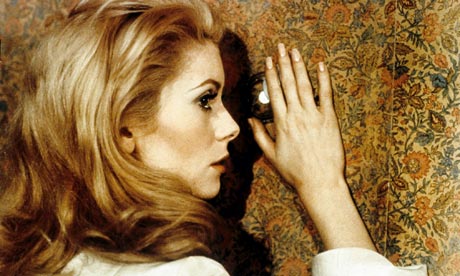
'Sinemalı Pazartesiler'e tüm zamanların (bence) en erotik filmlerinden biri 'Belle de Jour'la dönüş yapıyorum. Belle de Jour, muhteşem sarışın Catherine Deneuve'ün mermerimsi soğukluğu ve sürrealist yönetmen Luis Bunuel'in okşayıcı kamerasıyla izleyicilerin gözlerine değil bilinçaltlarına bayram ettiriyor...

My return to 'Cinema Mondays' will be with the most erotic film in the world is; 'Belle de Jour'. Belle de Jour, with fabulous blond Catherine Deneuve's statuesque coldness and with surrealist director Luis Bunuel's caressing camera is a true feast not only for the eyes but also for the subconsciousness of the viewers...


1928'te aynı adla yayınlanan Joseph Kessel'ın romanından uyarlanan film, genç burjuva güzeli Séverine'in cinsel hayatına yoğunlaşıyor. Çok yüzeysel bakıldığında hikaye çok basit, mazoşist rüyalar ve hayaller altında ezilen Séverine, sevecen ve sıkıcı kocası Pierre'le cinselliğinde zevki bulamaz. Zampara aile dostları Henri'nin bahsettiği geneleve gitmesiyle, hem kendi cinselliğini tanıyacak, hem de başına epey iş açacaktır. Genelevde tanıştığı genç gangster Marcel'in kendisine olan takıntısı ve Henri'nin onu genelevde yakalamasıyla, 'kibar fahişe' fantazisi, 'soğuk burjuva' gerçekliğini yıkar, Marcel Pierre'i vurur ve Pierre felç geçirir, Séverine de böylece üçüncü bir role bürünür; "şefkatli hemşire".

The film is adapted from Joseph Kessel's 1928 novel with the same name is based upon a young bourgeois woman Séverine's sexual life. At the first glance, the story is very simple, Séverine crushed with masochist dreams and fantasies cannot find pleasure in her life with a caring but boring husband. When she goes to the brothel that their womanizer family friend Henri told her, she connects with her own sexuality and cause herself many troubles. The young gangster Marcel's obsession to her and Henri's discovery about her working schedule will destroy her 'cold bourgeois' reality with the 'elite prostitute' fantasy. Marcel shots her husband Pierre and Pierre has a stroke, thus Séverine disguises herself into a third role; "compassionate nurse".


Bunuel filmde kadın cinselliğini, toplumun kadına yaptığı baskıyı ve kadın rollerini sorgular. Hristiyan toplumda üç tip kadın vardır; anne ve ev kadını, fahişe ve rahibe. Anne sevecen ve sıcaktır, onun için cinsellik ancak kocasını tatmin etme ve üreme yoludur, fahişe de erkekleri tatmin eder, ama onun tatmininde sevecenlikten eser yoktur, 'kadınlığını para kazanmak için kullanır', rahibe ise ilahi bir aşk için cinselliğinden vazgeçer, bu vazgeçiş kadınlığını da kaybetmesi demektir, onda artık sadece inanç kalmıştır....

In the film, Bunuel questions female sexuality, society's constraint on women and women roles. There are three type of women in the Christian Society; mother and housewife, prostitute and nun. A mother is compassionate and warm, for her sexuality only serves to satisfy his husband and the way to breed, prostitutes also satisfy men, but there isn't any tenderness in their way, 'they use their womanhood for money' and nuns leave their sexuality behind for the 'eternal love', this also means her loosing her womanhood, there is only faith left there....

Séverine ise kadınlığıyla yüzleşmekten korkar. Hayalindeki mazoşist tutkuları kibar kocası ona sağlayamaz, bu Séverine'i soğuk yapar, yani aşırı tutkuları onu dondurur. Bu yüzden 'herşeyin yapıldığı' genelevleri duyduğunda onlardan hem tiksinir, hem de merak içinde kıvranır.

But Séverine is afraid to face her own sexuality. Her husband cannot provide the masochistic pleasures that she sees in her dreams, which makes Séverine frigide; in other words, her heated passions freeze her. Thus when she hears about the brothels she both loathes and wanders about them. 


Bu hem kitabın yazıldığı, hem filmin çekildiği dönemde hem de günümüzde oldukça garip görünüyor değil mi? Hayatından sıkılan bir kadının fahişeyi oynaması imkansız geliyor, çünkü fahişelik her kadının istediği zengin ve sevgi dolu yaşamını tehlikeye sokuyor, kadını 'düşürüyor'. Bence tam da bu yüzden 'Belle de Jour' feminist bir film, fahişeliği erkeklere hizmet olarak görmüyor, Bunuel'e göre bu 'düşmek' anlamına da gelmiyor. Tersine kadınlar erkekleri ve onların garip fantazilerini kullanıp para kazanıyorlar ve yaşamlarını gayet iyi bir şekilde devam ettiriyorlar, yani düşmüyorlar tersine 'yükseliyorlar'.

It seems very unlikely both for the time that the book and film was realized and for today, isn't it? A bored wealthy housewife playing prostitutes seems impossible, because prostitution dangers the wealthy and happy life that every women desires and makes a woman 'fall' from grace. I think that for this reason, Belle de Jour is a feminist film. It doesn't see prostitution as serving a man sexually, rather men serve women to live better lives because of their fantasies, and it's not certainly to 'fall from grace' but a rise at least economically.


Öte yandan Séverine, diğer fahişelerden ayrıdır. Öncelikle ötekiler sevecenlik rolu yapıp müşterilere kur yaparken, Séverine tüm saygınlığı ve soğukluğuyla bir heykel gibidir, erkekleri çağırmaz, onların gözünü korkutur. Bu onu evin en gizemli kadını haline getirir, Séverine'e ulaşmak ve ona zevk vermek imkansız gibidir, bunu ise kanun kaçağı tehlikeli Marcel'de bulacaktır. Marcel Séverine'e karşı serttir, onu aşağılar ve bu tam da Séverine'in bütün fantazilerinde istediği şeydir.

On the other hand, Séverine is different from all other prostitutes. Others try to lure the customers by roles of compassion and love, while Séverine stays like a statue with all her dignity and coldness, she doesn't lure men, she rather intimidate them which drives them crazy of course. This makes Séverine the most mysterious woman in the house, reaching Séverine seems impossible, but the dangerous crook Marcel will win this game. Marcel is harsh with Séverine, he humiliates her, which is exactly what Séverine wanted from the beginning.

Marcel onun saygınlığını yerle bir eder, bunun işe yarama sebebi ise Séverine'inin cinselliğinin çocukluğundan beri aile, kilise gibi kurumlar tarafından bastırılmasıdır, cinselliğe (daha doğrusu) kadın cinselliğine karşı o kadar çok yasa vardır ki, Séverine zevk almayı günah olarak kabul eder. Ancak bir fahişeyken bütün bu kurumlardan bağımsızdır, Marcel'in onun kendi içindeki tabuları yerle bir etmesiyle de Séverine gerçek doyuma ulaşır.

Marcel destroys her dignity and this works because her sexuality is suppressed since her childhood by constitutions like the family, the society and the church, there are so many laws against (female) sexuality that she considers the pleasure as a sin. But she frees herself from all the societies when she is a prostitutes and Marcel destroys her own taboos which brings her to the edge of satisfaction.


Filmde çok basit bir biçimde Séverine'in kocasıyla yaşadığı günlük hayatı onun bilincini, ya da 'gerçeğini', arada kurduğu fantaziler ve gördüğü rüyalarsa bilinçaltını ya da 'fantazi dünyasını' simgeler. Séverine'in sorunu fantazilerin günlük hayatın yerinde birden bire ortaya çıkmasıyla başlar. Evdeki küçük bir iki kaza, Séverine'in gerçekliğindeki ilk kırılma noktalarıdır, önce parfüm şieşsini sonra vazoyu kırmasıyla Séverine 'mükemmel kadın' olmaktan çıkar. Garip bir şekilde bu küçük kazalar onu geneleve gitmeye yönlendirecektir.

Simply, the daily life that Séverine has with her husband represents her consciousness, or her 'reality', the fantasies and dreams represents her subconsciousness or her 'fantasy world'. Séverine's problem begins with her fantasies appearing for no reason in her daily life. A couple of little accidents at home are the first breaking points in her daily life, with the breaking of a perfume bottle, then a vase will unsettle her perfect woman status. Strangely, these little accidents will drive her to the brothel. 


Genelev ise ilk başlarsa fantazi dünyası olmasına rağmen, zampara Henri'nin onu genelevde görmesiyle gerçek dünyasını yıkacak bir güç haline gelir. Kocasının felçli kalmasıyla Séverine iki rolünden de vazgeçmek zorunda kalır ve 'rahibe' haline gelir, artık tek amacı kocasına bakar şefkatli bir hemşire olmaktır. Bu rol de Henri'nin Pierre'e gerçeği söylemesiyle yıkılır ve filmin sonunda Séverine'e kalan tek yaşam artık fantazileridir, yalnız bu defa fantazileri cinsellikle ilgili değil, kocasının iyileşmiş olmasıdır. Filmin bitimiyle Séverine'i tüm hayatı fantazilerle ele geçirilmiş halde bırakırız böylece...

At first, the brothel also represents her fantasy life, but with Henri's discovery of her favorite pastime, it will become a force that can ruin her real life. With her husband's stroke, Séverine must give up both roles and will transform into a 'nun', her sole purpose is now to take care of her husband. This role will also be destroyed with Henri's revelations to her husband and at the end of the film, only her fantasies are left for Séverine, but this time, the fantasies will not be about sexuality, but about his husband's miraculous recovery. With the end, we leave Séverine entirely captured by her fantasies....

Tuesday, August 24, 2010

Call me Sussy/Benim adım bundan sonra Sussy


Hangi Sussy mi? Yukarıdaki afet, kendisi Fellini'nin ilk renkli filmi Giulietta degli Spiriti'nin (ve daha sonra 8 1/2'nin) fantazi kahramanı, bilinçaltı kadını. Bir yandan kocasının aldatmaları, diğer yandan ruhlar dünyası tarafından kapana sıkıştırılan Giulietta'nın sığındığı ve güç aldığı kadın/imge.

Which Sussy, you say. The gorgeous-one above, the fantasy, sub-conscious character of 'Giulietta degli Spiriti (and later of 8 1/2). On the one hand, she is trapped by her husband's infidelity, on the other hand by the world of the spirits, Giulietta finds refuge in her.


Hiç bir şey anlamadınız mı? Şöyle anlatayım, Giulietta 1960'larda sahil kenarında güzel bir evde, yakışıklı bir koca, 2 hizmetçi ve bir sürü elbise/mücevherle yaşayan bir ev kadınıdır. Çevresi ve kendi bunların insanı mutlu etmeye yeteceği düşüncesindedir, ama Giulietta bir yandan çeşitli medyumlar aracılığıyla ruhlar dünyasından dost ve düşmanlar edinirken, diğer taraftan da kocasının mesafeli tavırlarının arkasındaki gerçeği fark etmeye başlar. Kocasının onu aldatmasıyla ahlak dengesi bozulan Giulietta kendini (sözde bir tedasüfle) açık ve marjinal bir seks hayatı olan komşusu Sussy'nin yanında bulur.

It's not clear enough? O.k. let me tell you this way. Giulietta is a housewife in the sixties, living in a beautiful house near to the beach, with her handsome husband, two maids and lots of clothes and jewelry. Her entourage and herself though that that's all it takes to be happy, but Giulietta starts to have friends and enemies from the other world through different psychics and to realize the real reason behind her husband's distance to her. Giulietta's sense of ethics is destroyed by his husband's infidelity, so she found her self ("by accident") on the doorstep of her decadent neighbor Sussy whose sex life is questionable at least.

Bu kısım, 8 1/2'taki gibi bir bilimçaltı/fantazi evidir, yalnız bu sefer fantazi bir erkeğe değil, kadına aittir. Ev (ya da malikane) renkli vitraylar ve tüllerle süslü, içinde küçük fantazi köşeleri barındıran bir giriş katından sonra, tamamı otlar ve çiçeklerle kaplanmış üst kata çıkar. Evde tadilat olduğu için her şey bölük pörçüktür, ev bir bütünlük sahibi değildir. En üst katta ise, Sussy'nin zevk odası bulunur. Yuvarlak beyaz saten yatağın üstünde tavanda yuvarlak bir ayna asılıdır, ve istiridye şeklindeki boşluktan kaydırakla doğrudan havuza ulaşılır. Bu oda özellikle Yunan motifleri taşır, zira Giulietta'ya talip olan Sussy'nin üvey oğlu da tam bir Adonis'tir.

The house is the fantasy house in 8 1/2, but this time the fantasy belongs to a woman. The house (or mansion has a floor-level covered with colored sainted glassed and veils with little corners for different fantasies, the second floor is covered by flowers and wild plants. Because the house is in repair, everything is scattered and the house doesn't have unity. The top floor is Sussy's "pleasure room". A round mirror is hung in the ceiling on top of a round satin bed and a slide goes directly to the poor from an oyster shaped enterance. This room especially has Greek motives, also Giulietta's suitor; Sussy's stepson, is the Adonis itself.


Zaten Sussy'nin ve çevresindeki herkesin hal ve görünüşleri Dionysos'un maiyetine benzer, Sussy'de ise bir maenad'lık havası vardır. Dionysos'un takipçileri gibi Sussy de zevk ve kendini kaybetmeye tapar. Sussy'nin yardımlarıyla Giulietta'nın kocasından bağımsız bir kimlik bulması da bu yolla mümkün olacaktır.

 In fact, all the people in Sussy's entourage is like Dionysos' followers and Sussy is a true maenad. Like Dionysos' followers, Sussy also worships to pleasure and frenzy. In this way, Giulietta, with Sussy's help will find her true self without her husband.


Ancak geçmişten gelen simgelerle vücut bulan din ve toplum baskısı, Giulietta'nın dişiliği ve arzularıyla birleştiğinde onu deliliğin sınırlarına götürür.

But religious and social pressures, clashing with her femininity and her desires will drive her into madness.


Film kuşkusuz Fellini'nin kadınları anlamaya çalıştığı filmdir, aynı zamanda Giulietta'yı oynayan Giulietta Masina'nın Fellini'nin eşi olduğu ve ilişkilerinin o dönemde çalkantılı olduğu da göz önünde bulundurulursa, bir çeşit günah çıkartma ya da eşine mutlu olma yolunu gösterme olarak da anabiliriz.

The film is Fellini's try to understand women and if we consider that Giulietta Masina who plays Giulietta is Fellini's wife in real life and that their relationship was troubled at the time, we may also call it the film Felini tries to make amends and show ways to her wife for her to be happy.

Sunday, June 6, 2010

Gentlemen Prefer Blondes, Women Prefer Diamonds/Erkekler Sarışın, Kadınlar Elmas Sever


Marilyn Monroe'dan çok bahsetmeye gerek yok, dünyanın gelmiş geçmiş en büyük kadın idolü. Doğumgünü de 1 Haziran, dolayısıyla sevgili Digiturk'çüğüm bir nevi Monroe ayı yapmış, bu yazı da ondan.

There is no need to talk much about Marilyn Monroe, it's enough to say that she is the biggest woman idol of the world. The first of June is her birthday, so let's have a post about her, shall we?

Oturdum az önce 'Bazıları Sarışın Sever' (Gentlemen Prefer Blondes)'u izledim tekrar, kaç kere izlediysem de sıkmıyor, bir kere müzikal, Marilyn var, Jane Russell var elmaslar var... Çocukluğumda da bu filmde Jane Russell'ı daha çok seviyordum, hala zevkim gelişmemiş, erkekler sarışın tercih etse de ben kumraldan dönmüyorum onu görmüş oldum. Bir de Monroe'nun sesi şarkı söylerken o kadar güzelken konuşurken nasıl o kadar cırtlak olabiliyor, ben erkek olsam tüm güzelliğine rağmen dayanamazdım bence.

I just watched 'Gentlemen Prefer Blondes', no matter how many times I watched it before, it never goes boring, first it's a musical, then it has Marilyn, Jane Russell and diamonds... I loved Jane Russell better in this movie, I saw one more time that my tastes stayed the same, even though gentlemen prefer blondes, I always prefer a brunette. The only thing I don't like about Marilyn is her talking voice, she sings beautifully, but I cannot stand her voice when she talks, if I were a guy, I think I couldn't stand to be with her for a long time, no matter how breathtaking she looks.
 
Neyse, hadi kapalı Pazar gününde biraz gözümüz gönlümüz açılsın...

Let's have our eyes feast for a while...


Bu ay Goldmax'te her salı günü bir Monroe filmi,  MGM'de de Uygunsuzlar (The Misfits) filmini izleyebilirsiniz . Digiturk'te bu ay gösterilecek Monroe filmleri: Erkekler Sarışın Sever (Gentlemen Prefer Blondes), Gel Sevişelim (Let's Make Love), Otobüs Durağı (Bus Stop), Sahne Aşıkları (There is no Business Like Show Business), Uygunsuzlar (The Misfits). Gösterim günleri ve saatleri için sizi Digiturk'un sitesine alalım.  Mutlu bir ay olacak gibi gözüküyor doğrusu:) 

A Turkish digital platform (kinda like satelite, makes this month Monroe month, oh yeah lucky me!

Daha fazla Marilyn fotoğrafı için sizi Tozlu Fotoğraflara alalım...

For more photos of Marilyn, see Old Photos....

Monday, May 10, 2010

Sinemalı Pazartesiler/ Cinema Mondays-Persona


Ingmar Bergman'ın 1966 yapımı 'Persona' filmi, sinemanın gelebileceği en yüksek noktadır. Ötesi yapılmamıştır, yapılamaz, denenmesi bile abestir! 'Persona' yalnızca görselle anlatılması en zor konular olan kişilik ("persona"), insan psikolojisi, bilinçaltı ve insanların arasındaki adı konmamış hiyerarşik ilişkilerle uğraşmak, aynı zamanda sinematografi denen sanatta da virtüözlük sergiler. 'Persona'nın yarattığı görsel ilüzyonların, günümüzün bilgisayar yapımı efektleriyle alakası yoktur, bir sihirbaz edasıyla Bergman iki apayrı şeyi alıp birbirine çevirir.

Ingmar Bergman's 'Persona' of 1966 is the peek that cinema can get to. There are no other film and will be no other better than it! Not only 'Persona' deals with the subject most difficult to tell my images; personalities ("persona"s), human psychology, the subconscious and hierarchic relations between people, but also is a virtuosity in cinematography. The visual illusions that 'Persona' creates has nothing to do with today's computer-made visual effects, and Bergman, like a true magician, takes two things and create a new-one from them.  


Önce filmin konusu: Elizabet Vogler (Liv Ullmann), ünlü bir oyuncudur. Bir gün sahnede susar, performans bittiğinde ise konuşmaya tamamen son vermiştir. Fiziksel bir sorun bulamayan doktoru, onu hemşire Alma (Bibi Andersson) ile kendi yazlığına yollar.

First the plot, Elizabeth Vogler (Liv Ullman) is a famous actress. One day, she stops speaking on stage and later doesn't speak at all. Her doctor who cannot find anything physical sends her with Nurse Alma (Bibi Andersson) to his own seaside cottage.

Alma, Elizabet'e hayrandır, ilk günlerde sürekli bu hayranlıktan bahseder. Elizabet hiç konuşmadığından Alma sürekli konuşmayı tercih eder, zamanla bu konuşmalar hem bütün sırlarını ortaya dökmeye başlayacak, hem de kendi kendine bir iç hesaplaşmaya dönecektir. Anlattılanlar Elizabet'i etkiler ve Alma'ya bağlanmasını sağlar. Elizabet'in kocası, yani dışarıdan birisi, aralarındaki bu ilişkiyi bozacaktır. Alma, Elizabet'in kocasına yazdığı mektupları okur ve kendisi hakkında yazdıklarına kızar, bu onun Elizabet'e tavrını sertleştirecektir. Kocanın eve gelmesiyle, sırdaş ve yandaş görünen bu iki kadın, rakip haline gelirler. Koca, Alma'yı Elizabet sanar, Elizabet de bu yanlışlığın sürmesine (Alma'nın Elizabet'in persona'sına girmesine) izin verir, bu Elizabet'in Alma üstündeki bütün gücünü yok edecektir.

Alma is a big fan of Elizabet and talks about it a lot in the first days. Alma prefers to speak all the time to fill the silence, and in time, this talks start to reveal her secrets and become her own confrontation with herself. These talks bind Elizabet and Alma together, but an outsider, Elizabet's husband will spoil that bond. Alma, reads the letter Elizabet wrote to her husband and got angry what she wrote about her, this will change her attitude towards Elizabet. With his husband coming home, this two women will become competitors. The husband mistakes Alma for Elizabet and Elizabet allows this mistake (and Alma to become herself- to have her persona), this will destroy the power balance between the two women. 

Başlarda Elizabet'in ünü ve Alma'nın ona hayranlığı, bunun yanında Alma'nın Elizabet için çalışması, Elizabet'i Alma'dan daha güçlü kılar (başta bahsettiğim hiyerarşi meselesi.) Bu noktada Elizabet'in konuşmaması da gücünü arttıran bir durumdur. Bu bana hep çocukken birine küsüp konuşmayı reddetmemiz gelir, o durumda da suskunluğu çeken insan güçlüdür, diğeri de büyük bir olasılıkla onu konuşturmaya çalışır. Bu güç dengesi, Alma'nın mektupları okumasıyla değişir, çünkü artık Elizabet'in onun hakkında ne düşündüğünü öğrenmiştir, bir anlamda Elizabet onunla iletişim kurmuştur, bu Alma'yı güçlü hale getirir.

At the beginning, Elizabet's fame, Alma's admiration of her and the fact that Alma works for Elizabet favors Elizabet as the powerful-one. Elizabet's silence also augmented her power. This always reminds me of children's silence treatment, in this, also the silent-one is the powerful-one and the other child often tries to make him/her talk. This balance of power changes with Alma reading the letters, because now she knows what Elizabet thinks about her, in a way, Elizabet communicated to her unintentionally, this increases Alma's power.
 
Bu güç dengeleri, Žižek'in sinema tarihinin en erotik dediği sahneyle belirgin olarak değişmeye başlar.. Alma, arkadaşıyla birlikte sahilde katıldığı bir grup seks macerasını anlatır. Sahne erotiktir, çünkü bize hiç birşey göstermez, her şeyi hayal gücümüze bırakır. Sahneyi önemli yapan nokta ise, Elizabet'in öğrendiği sırla birlikte Alma üstünde güç edinmesine karşın, asıl güç kazanan tarafın, Elizabet'in Alma'ya özenmesi ya da hayranlığıyla Alma'ya geçmesidir.

This balance changes significantly in the scene that Žižek calls as the most erotic scene in the history of cinema. Alma tells Elizabet about the foursome she had in the beach. The scene is erotic, because it shows us nothing and leaves everything to her imagination. Its importance lays in Alma's gaining power, even though Elizabet learns her secret, because Elizabet started to admire Alma because of this tale.


Filmin sonunda güç dengeleri artık tamamen değişmiştir, Alma'yı karısı sanan kocası onunla sevişir, bu sayede Alma Elizabet'e (onun persona'sına) dönüşür. Persona latincede maske anlamına gelir, ve oyuncuların sahnede oynadıkları karakterlere verilen addır. Başta Elizabet'e hayran olan Alma, artık ona dönüşmüştür. Bu arada, Elizabet de biraz Alma'ya dönüşmüştür, işte bunun anlatıldığı sahne, 'Persona'yı sinema tarihinin en önemli filmi yapar. Alma'yla Elizabet'in suratı, analog olarak (dijital hile olmaksızın) birbirine dönüşür. Biraz teknik bilgi vermek gerekirse, Bergman önce bir kadını kadrajın yarısını siyah bir kartonla kapatır. Sonra filmi geriye sararak, aynı işlemi diğer kadınla gerçekleştirir. Ortaya çıkan Alma ve Elizabet'in yarısından oluşan yeni bir kadındır.

At the end of the film, the balance of power changes completely, the husband who mistakes Alma as her wife have sex with her, in this way, Alma turns into Elizabeth (or her persona). Persona in latin means "mask" and is the character played by an actor on stage. Alma who is at first the fan of Elizabet turns to her. In return, Elizabet turns into Alma a little bit, the scene this is shown is the thing that makes 'Persona' the most important film in the world. Alma's and Elizabet's faces turn into each other analogously (without any digital manipulation or the like). To give you some technical info, Bergman first shoots one of the women blocking half of the frame with a black board. Then he rewind the film (celluloid film that is) to the exact same moment and films the other woman with the same principle. The result is a new face that has half Elizabet's and half Alma's face.

Film kişilik/persona üzerine bir çok küçük göndermeyle doludur. Filmin başlarında Elizabet sürekli Alma'nın fotoğraflarını çeker. Yansımanın mitolojide kişinin ruhunun yansıması olduğu ve bazı ilkel kabilelerin fotoğraf makinesinin insanın ruhunu çalmak olduğu düşünülürse, bu Elizabet'in Alma'yı kişiliğinden soyutlama yöntemidir denebilir. Aynı zamanda, ünlü birinin bir hayranının fotoğraflarını çekmesi, bize güç dengelerinin değişeceğini haber verir.

The film is full of references on the personality/persona. At the beginning, Elizabet constantly takes photos of Alma. If you consider that the reflection was believed to be one's soul in the mythological ages and some tribes consider taking photographs as taking one's soul, we can say that this is the way Elizabet robs Alma from her soul/persona. At the same time, a famous person taking a photo of her admirer signals the change that will take place in the future.


Film bir çok film teorisyeni tarafından çok farklı şekilde yorumlanmıştır. Lloyd Michaels'a göre (Michaels, Lloyd, "Bergman and the Necessary Illusion", pp. 16–19  in Michaels (2000)), Elizabet'in suskunluğunun nedeni, tarihteki 2. Dünya Savaşı ve Vietnam savaşı gibi katliamlara dayanamadığı içindir. Bergman bize bunu 2. Dünya Savaşı'na dair ikonografik fotoğraflar göstererek verir. Elizabet'in dünyadaki şiddete tepkisi kendini dünyaya kapatarak olur. Ama Elizabet bu tepkisiyle, farkında olmadan Alma'ya şiddet uygulayacaktır. 'Persona', insanın birbirine yaptığı şiddetin sadece fiziksel olmadığını bize hatırlatmak ister.

The film is analyzed by many film theorists by very different ways. According to Lloyd Micheals (Michaels, Lloyd, "Bergman and the Necessary Illusion", pp. 16–19  in Michaels (2000)), the reason of Elizabet's silence is that she cannot take the violence of world events such as the holocaust and the Vietnam War. Bergman shows us this by using iconographic photos from the WW2. Elizabet's response to violence is shutting herself down from the world, but it is her silence which she uses as a source of violence to Alma. 'Persona' wants to show us the non-physical violence that one does to another.  

Film hakkında ilginç bir kaç ayrıntı: Bergman filmi, ağır bir zatürre yüzünden hastanede yatarken yazar. Bu sırada Ullman ve Andersson onu ziyarete gelirler. Kadınların arasındaki benzerlik ve hastanede olmanın verdiği sıkıntı sonucu 'Persona' filmi doğar. Elizabet filmde tek bir tam cümle kurar: "You ought to go to bed, or you'll fall asleep at the table" (Yatağına yat, yoksa masada uyuyakalacaksın).  Son olarak, Ullman'ın Bergman'dan evlilik dışı bir çocuğu olduğunu da eklemek gerekir.

A few interesting details about the film: Bergman creates the idea in his hospital bed recovering from a heavy pneumonia. Ullman and Andersson visit him. His discovery of two women's resemblance and the troubles of his malady creates the film. Elizabet only talks one whole sentence in the film: "You ought to go to bed, or you'll fall asleep at the table". Lastly, Ullman has a daughter from Bergman out of a marriage.

İzleyiniz!

Watch it!

Fragman/Trailer:

Tuesday, April 27, 2010

An Education


Oscar adayı bir gençlik filmi! İngilizce 'coming of age' denen 'yetişkin geçme' merasimi filmler bu güne kadar 'The Graduate' dışında hep gençlik filmi olarak kalmaya mahkum oldu, taa ki 'An Education' gelene kadar, 2009 yapımı bu İngiliz filmi, en iyi oyuncu da dahil 3 dalda Oscar'a aday oldu ve 18 ödül aldı. Peki ama bu kadar hor görülen türde bir film nasıl bu kadar ses getirebilir?

 A teen movie nominated for an Oscar! Except from 'The Graduate', the "coming of age" stories are doomed to stay as teen films, until 'An Education'. This middle-budgeted 2009 Brit film got nominated for 3 awards in the Oscars, including the best actress and got 18 awards. But how can a genre so looked down on can create so much impact?


Öncelikle genç oyuncu Carey Mulligan'ın hakkını vermek lazım, özellikle filmdeki giyim, saçı makyajı yüzünden sanırım yeni Audrey Hepburn olarak adlandırılan bu genç kızımız gerçekten film türünün hakkını vererek film süresince çocukluktan ergenliğe, oradan da yetişkinliğe hızlı adımlarla ilerlerken, hali, tavırları hatta konuşması da onunla birlikte hızla değişiyor. Bir de kız hakikaten çok sevimli! Bir de filmin konusunun 60'ların sözde özgür dünyasında kadınların yerinin nasıl arka sıralarda olduğuna dair mesajlar da filmi sıradan bir yaş alma filminin ötesine taşıyor. 60'ların Paris'ini, modasını, her şeyinin seven bir insan olarak ben filmi çok sevdim. Ama bu kadar önemli ve hakkından söz edilesi bir film mi ona karar veremedim...

First, I must mention the role of young Carey Mulligan in this success, named as the new Audrey Hepburn, especially because of hair and clothes in this film, she plays Jenny who, as the genre suggests, starts as a child and transform herself quickly to a woman, and as she grow quickly, her manners and air changes along with her clothes and hair. And she is really very cute! And the fact that the film carries the second class role of women in the so called free 60's makes the film a little more than just a coming of age drama. As a lover of everything 60's; the hair, the clothes, the style, the music and especially 60's Paris, I liked the film. But I cannot decide if it's that much a deal to tell you the truth...


Bir Audrey Hepburn havası var hakikaten!

She really has the Miss Hepburn air, doesn't she?


Konuya gelince, 60'larda İngiltere'nin bir banliyösünde yaşayan, orta sınıf bir aileden gelme Jenny, babasının kendisine biçtiği hayale uyarak Oxford'a girmeye hazırlanan liseli sıradan bir kızdır. Ama hayallerinde Fransızca 'chanson'lar, klasik müzik konserleri ve istediği kitabı okuyabileceği kadar özgür olmak vardır. Bu özgürlüğe Oxford'da ulaşacağını düşünen Jenny'nin üstüne biçilmiş hayalleri, kendinden yaşça büyük David'le tanışmasıyla değişir. David Jenny'nin ayaklarını, şık elbiseler, klasik müzik konserleri ve Paris seyahatleriyle yerden keser. Ama yıllardır hayalini kurduğu Oxford'u bir anda bir köşeye atan Jenny'nin yeni hayalleri de David'in sırları yüzünden tepe taklak olacaktır.
  
About the synopsis; the middle-class Jenny who lives in a British suburb is an ordinary high school girl who tries to go to Oxford as is the dream that her father choose for her. But her own dreams include French 'chanson's, classical music concerts and as much freedom that she can read the books she wants. The 'pret-a-porter' dreams of Jenny who thinks she can have the freedom in Oxford will change drastically when she mets the older playboy David. David mesmerizes her with fine clothing, classical music concerts, auctions and Paris trips. But as Jenny's years-long dreams of going to Oxford shatters to pieces in an instant, her new set of dreams are in peril because of David's secrets. 


Son olarak, bilmeyebileceğiniz bazı bilgiler; Filmin yönetmeni, daha önce 'Yeni Başlayanlar için İtalyanca'(Italiensk For Begyndere/ Italian For Beginners) ve 'Wilbur Ölmek İstiyor' (Wilbur Wants to Kill Himself) filmlerinden tanıyıp sevdiğimiz Danimarkalı Lone Scherfig. Film ise, İngiliz gazeteci Lynn Barber'ın anılarına dayanıyor.

Lastly, some info you may not know about the film: The director Lone Scherfig's previous films include 'Italian for Beginners (Italiensk For Begyndere' and one of my favorites 'Wilburt Wants to Kill Himself'. And the film is based on the memoirs of British reporter Lynn Barber.

Sonuç: keyifli bir film ve Jenny'nin özellikle saçlarına bayıldım!

Conclusion: Lovely film to watch and I adore Jenny's hair!

Fragman/Trailer:


P.S.: Filmin asıl planlanan ve sonradan kesilen sonunu okumak isteyen ve İngilizcesi olanları şuraya yönlendireyim.

P.S.: Click here to read about the first planned ending and why it was cut.

Tuesday, April 20, 2010

Sinemalı Pazartesiler/ Cinema Mondays-Week-end

'Sinemalı Pazartesiler'in ilk filmi, tabii ki bloga adını veren Godard'ın şahanesi, şaheseri 'Week-End' (Haftasonu, 1967). Aslında Godard'ın en sevdiğim filmi 'Une Femme est Une Femme' (Kadın Kadındır) ve 'Vivre Sa Vie' (Hayatını Yaşamak- My Life to Live)'dir, ama Week-end Godard'ın en şahsına münasır ve cesur filmidir, hem de blogumun isim babasıdır.

 The first film of 'Cinema Mondays' is of course the wonderful masterpiece of Godard 'Week-end' (1967). Actually my favorite Godard films are 'Une Femme est une Femme' (A Woman is a Woman) and 'Vivre Sa Vie' (My Life to Live), but 'Week-end' is Godard's most brave and special film that characterizes him, also it's the Godfather of my blog (hence the name: The Daughter of God and Alexandre Dumas).


'Week-end' anlatması zor bir film. Sinopsisi (özeti) internet sitelerinde aşağı yukarı şöyle geçiyor; Burjuva bir Fransız çifti, Roland (Jean Yanne) ve Corinne (Michelle Darc) birbirlerini aldatmaktadırlar ve birbirlerini öldürme planları kurarlar. Corinne'in babası ölüm döşeyindedir, çift de mirası almanın planlarını kurarlar, bu planlara baba doğal yollardan ölmezse onu öldürmek de dahildir. Bir haftasonu Corinne'in ailesinin köy evine giderler, ancak yolda sürreal bir trafik sıkışıklığı yüzünden babanın ölümünü kaçırırlar, anne de onlara mirastan pay vermeyi reddeder. Bunun üzerine çift Paris'e dönmek için yola çıkarlar ve arabaların çalışmadığı ya da patladığı garip bir yolda, köylülerden ölü yazarlara, hatta İsa'ya kadar (bkz. Tanrı'nın ve Alexandre Dumas'nın oğlu) garip karakterlerle karşılaşırlar, sonunda da yamyam bir hippi çetesinin eline düşerler.

'Week-end' is a difficult film to summarize. The synopsis on internet sites like imdb goes more or less like this: a bourgeois French couple; Roland (Jean Yanne) and Corinne (Michelle Darc) are cheating and planning to kill each other. Corinne's dad is on his death bed and they plan to have his heritage collected, even if it means killing him first. They decided to go to Corinne's family home in the country but miss his dad's death due to a traffic jam which seems pretty surreal and the mother refuses to give their share. On their road back to Paris, they are left in a crazy road where they car got exploded, they met crazy people from villagers to dead writers and even Jesus himself (who introduce himself as The Son of God and Alexandre Dumas) and finally were captured by a carnivore hippie group. 

Bu özetten de anlaşılacağı gibi, 'Week-End' oldukça sağlam bir kapitalizm eleştirisi. Bunun ötesinde popüler sinema ve kültüre atıfta bulunmaktan kaçınmıyor. Ama en önemlisi, kapitalizmin öngördüğü halleriyle 'malların' (arabalar, marka kıyafetler vs.) çalışmadığı ve kapitalizmin çöktüğü bir kıyamet habercisi.

As you can very well see from the synopsis,  'Week-End' is a very hard criticism on capitalism. It also attacks to popular cinema and popular culture. But most importantly, it's the prophecy to an apocalypse brought buy 'wares' (cars, high label clothes etc.)


Filmin okumasında önemli bir nokta (Godard'ın sık sık kullandığı gibi) filmdeki title'lar. Filmin adının Fransa bayrağı renklerinde üstte gördüğünüz şekilde yazılması, bize sıkı bir Fransa eleştirisi izlemek üzere olduğumuzu belirtmekle birlikte, yazının pop-art hali ve Fransızca'ya İngilizce'den nadiren geçen kelimelerden biri olan Week-End (Haftasonu)'nun isim olarak seçilmesi de filmdeki kültür eleştirisine dair ilk izleri vermekte. Daha sonra gelen 'Kosmos'ta kaybolan  film' ve 'Çöpten çıkan film' başlıkları da filmin ana temalarını oluşturuyor.

An important tool on reading this film (as in most of Godard's film) are the titles. As you can see above, the title is written in the colors of flag of France, which means that we are about to see a hard-core critism of French society. The pop-art influence on the title, on the other hand and the fact that the title 'Week-End' is one of the very few English phrases that entered to French indicates that the popular culture will also be attacked in the film. The intertitles that comes right after that; 'The film lost in Cosmos' and 'A film found on the scrap-heap' are the main themes of the movie.
 

Filmde baştan sonra haftanın günlerine, özellikle de haftasonuna yapılan göndermeler var. Çünkü haftanın günlerini sabahtan gece yarılarına kadar çalışarak geçiren orta sınıf, haftasonlarında da kazandıkları paraları kapitalist sistemin sunduğu mallarla geçiriyorlar. Her şey bir maldır vurgusu filmin ana noktası, zira filmin sonunda hippilerin ütopik sisteminde, insanlar bile birer et parçasına dönüşüp yenebilen bir mal haline geliyorlar. 'Çöpten çıkan film' ise İngilizce tabiriyle 'Trash Film/ Çöp Film'lere gönderme yapıyor. Godard bu filmin çöpten geldiğini söylüyor ve filmini hemen tüketilecek bir tüketim malzemesi olarak sunuyor. Bunu da, dönemin star oyuncuları ve büyük stüdyo yıldızları Mireille Darc ve Jean Yanne'yi başrol oyuncuları olarak kullanarak yapıyor. Film hakikaten, Godard'ın en yüksek bütçeli ve en çok reklamı yapılan filmlerinden biri. Bir not daha iletmek gerekirse, filmin ortaya çıkması, o dönemde büyük bir stüdyoyla anlaşmalı çalışan Mireille Darc'ın bir Godard filminde oynamadan başka bir filmde oynamayı reddetmesi üzerine oluyor. Godard da bu fırsatı çok iyi değerlendirip ortalama Fransız seyircilerine güzel bir ambalaj içinde kaosu sunuyor.

There are countless references to the days of the week, especially to the week-end in the film, because the middle-class who spend their day and night during the week to work spend their money on 'wares' that the capitalism offers on week-ends. The main point of the movie is that 'Everything is a ware', at the end of the film, even people become wares in the utopical society of the hippies and transform itself to an edible ware on top of that. 'The film found on the scrap-heap' refer to 'Trash' Films. Godard tells us that the film is garbage and offers the film as a consumption ware that will turn to trash. He makes this in using very famous studio stars of the day Mireille Darc and Jean Yanne as lead actors. The film is, in fact, one of Godard's highest budgeted and commercialized films. To give another side note, the thing that creates the film is Mireille Darc's insistence, who was at the time deployed for a big studio, on playing in a Godard film before playing on anything else. Godard used this opportunity very well and creates a sort of chaos inside a shiny package.


Duran trafik ve çalışmayan arabaların kornalarıyla başlayan kıyamet, Corinne ve Roland'ın arabalarının yanmasıyla başka bir boyuta taşınıyor. Para için babasını öldürme planları yapan Corinne'in bu kazaya tepkisi arabada kalan Hermes çantasına ağlamak olur. Ama yürümeye başladıkları yolda birer birer marka giysilerinden sıyrılıp yolda gördüğü ölmüş adamların giysilerini giymeye başlar. Makyajı ve saçı bozulmuş erkek kıyafetleri giymiş Corinne, değişimini tamamladığında kocasını bırakıp hippilerin liderinin sevgilisi olur ve insan eti yer. Çünkü Corinne (yanı Fransız kadını) üstüne ne giydirilse onun rolüne bürünür.

The apocalypse that starts with heavy traffic and the horns of broken cars takes another turn with Corinne and Roland's car exploding. Corinne who plans to kill her own father for money reacts to this accident in crying for her lost Hermes bag. But on the road that they need to take on foot, she has to live all her high-end clothes and wear dead-men's clothes to keep her warm and comfortable. When Corinne who lost her clothes, her Hermes bag and whose make-up and hair got disturbed, finishes her transformation end up with the leader of the hippies leaving his husband behind and eats human flesh. Because Corinne (a.k.a. the French Women) changes with the costumes she got to wear.

Yollarında karşılarına köylüler dışında Emily Bronte gibi ölmüş yazarlar da çıkar. Roland ve Corinne Bronte'yi yakarlar, bu Godard'ın klasik sanatı yok etme girişimidir, çünkü ancak klasik sanat yok olduğunda yeni bir sanat ortaya çıkabilir. Filmde, klasik sinemanın öğeleri de kullanılır; genelde trafik görüntüleri ve insan manzaralarından oluşan ağır tempolü klasik sahneler (ki bu sahnelere Mozart gibi klasik müzisyenler eşlik eder). Ancak Corinne yolunda ilerlerken (çünkü Roland sadece kadın yalnız olamayacağı için yanında taşıdığı bir aksesuar gibidir) bu sahneler yerini hızlı kurguya bırakır. Bu Godard'ın klasik Fransız Sineması'nı öldürme biçimidir. İşte bu yüzden filmin sonunda 'Filmin Sonu/Sinemanın Sonu' yazar.

With the villagers on the road, they also meet dead writers like Emily Bronte. Roland and Corinne burn Bronte alive, this is Godard's attempt to destroy the classical culture, because a new interpretation of culture can only be created when the old-one is destroyed. The film also uses classical cinema techniques in the beginning like long takes with musics from Mozart and alike, but with the road that Corrine takes, the editing changes into a faster-one. This is his way to destroy the classical French cinema. This is why the film ends with the title 'End of Film/ End of Cinema'. 

Arabalarının yanmasıyla başlayan kaos ve sınıf çatışması (çift ve köylüler arasında) herkes sınıfını belli eden araba ve kıyafetlerinden arındığında yerini ütopik bir sisteme bırakır. Bu sayede Godard Fransızlara sonsuz güçte olduğunu sandıkları sistemlerinin, araçlarından biri bozulduğunda (arabalar) ne kadar kolay yıkılabileceğini gösterir. 'Week-end' bir kıyamet habercisidir, çünkü filmin çekiminin ertesi yılı, yaratılan bir kıvılcımla Paris '68 Baharı'nı yaşayacaktır. (bilmeyenler için 68 Mayıs'ın önce öğrenci protestosu olarak başlayan hareket işçileri de içine katarak büyüdü ve dünyanın ilk toplu grevine yol açtı. Seine Nehri'nin sol kıyısında Rive Gauche'u ele geçiren öğrenciler 1 ay süreyle orada kendi sistemlerini kurdu. Olaylar neredeyse Charles de Gaule'ü devirecekti ve Haziran'da erken parlamento seçimine gidilmesine neden oldu. Bu konuda bildiğim en iyi film: 'The Dreamers-Bertolucci). Bu grevde öğrencilerin barikat olarak araba yakması da Godard'a bir yerlerden vahi indiğinin göstergesi olarak tarihe geçmiştir.

The chaos and social-class struggle that starts with the exploding cars (mainly between the couple and the villagers) leaves the stage to an utopic system when everyone free themselves from their labeled clothes and their cars. In this way, Godard shows us how fragile capitalism is and how can it be destroyed simply when its tools (cars) are broken. 'Week-end' is a prophecy of the apocalypse, because just a year later, France lives the famous May of '68 created from a simple flame. (For the ones who does not know the May of 1968; started as a simple student protest, the movement shortly recruited factory workers and created the first mass strike of the world. The students invaded 'Rive Gauche'- the left side of the River Seine and started their own system for a month. The events almost costed De Gaulle his position and forced the parliament to go to an early election in June. For a film on the events, I recommend 'The Dreamers' from Bertolucci.) This incident proves that Godard had an epiphany from some unknown source, because the students used burning cars as barricades in the strikes.

Son olarak, trailer'ını bulamadığım için bloga adını veren kısmını aşağıda veriyorum.

I could not find a trailer anywhere, so I post the part of the movie which inspired me for the blog title one more time:


LinkWithin

Related Posts with Thumbnails