Showing posts with label french. Show all posts

Thursday, August 11, 2011

Quasimodo Mon Amour


The first time I met with 'The Hunchback of Notre Dame' was probably in elementary school. I watched the Walt Disney made animation film. But the real beginning of my love falls in the years of my French high school. I was probably 14 years old and France made its best musical ever, a musical adaptation of 'Notre Dame de Paris' with the famous song 'Belle'. Its vcd somehow found its way to my high school and suddenly turned into a true sensation, in every free class or other occasion was an excuse to make the students watch it. In fact, my classmates repeatedly made me ask the teacher (I was the teacher's pet) to skip the class and watch it instead. I think in a semester, I watched it 20 to 50 times... 

'Notre Dame'ın Kamburu'yla ilk tanışmam, herhalde ilkokuldaydı. Walt Disney'in yaptığı animasyon filmi izlemiştim. Ama aşkımın asıl doğuşu Saint-Benoit yıllarına denk düşer, yaş muhtemelen 14, benim için efsanevi olan 'Notre Dame de Paris' müzikali yapılıyor ve vcd'si Saint-Benoit'da birilerinin eline geçiyor. Sonrasında boş ders, etüt saati gibi bahanelerle okulca sürekli bu vcd'yi izliyoruz. Hatta hocanın beni çok sevdiğini bilen arkadaşlar, beni kafalayıp dersi kırmak için hocaya yalvartıyorlar, Fransızca dersi yerine gidip yine müzikali izliyoruz. Ben diyeyim 20, siz deyin 50 kere.


By this time, I'm already head over heals about Quasimodo and Esmeralda, and finally, after a long search I found a copy of the vcd too. Then I started to watch it every day at home, I memorized all the lyrics and even most of the dance moves.... At the end, my love was taken to other heights when I found an old bounded copy of 'Notre Dame de Paris' in a second-hand book store. Of course, the book was read in two-three days, which is the first of many readings I'll do in the future.


Zaten ben bu sırada Quasimodo'ya ve Esmeralda'ya sırılsıklam aşığım, uzun aramalardan sonra o vcd'den bir adet de ben buluyorum. Artık evde her gün 'Notre Dame de Paris' izleniyor, ben bütün şarkıları ezberliyorum... Derken bir sahafta eski kakmalı kaplı bir 'Notre Dame'ın Kamburu' buluyorum, kitabı da bir solukta okuyorum.


My love that started in 1998 came to today without any lost in heart. Sometimes, I may become very impressed of a book I read and think that that is my favorite book, but at the end I realize that my favorite book is and always will be 'Notre Dame de Paris'.


Ve 1998'de başlayan aşk bugünlere kadar hiç sönmeden geliyor. Bazen bir kitap okuyup çok etkileniyorum, en sevdiğim kitap bu diyorum, ama kısa süre sonra anlıyorum ki hiç bir kitap beni 'Notre Dame'ın Kamburu' kadar etkilemiyor.


The beauty of the book lies in its story and characters. You can even look it as a feminist, or at least, pro-women book today. Of course, Hugo wasn't an early feminist, but his infinite humanism included all humans, women, men, poor, even the crippled. According to him, every living in this universe has a right to live and live freely, to make the point, he picks the most marginal examples, a gypsy woman and a freak of nature. Esmeralda is a young and pretty gypsy and every man on Paris falls in love with him in very different ways the moment she sets foot on Paris. The handsome captain Phoebus only desires her sexually, the archdeacon of Notre Dame Frollo is bound to her with a tumultous and sick desire, the poet Gringoire's love for her is more of an admiration, but only the most frowned upon character; Quasimodo can love her selflessly. At the end of the book, Esmeralda became the victim of other people's desires and though Quasimodo takes her and took sanctuary in the cathedral, she is killed with the king's orders and Frollo's help.


Kitabın güzelliği, hikayesi ve karakterlerinde. Bugün bakıldığında kadın taraftarı sayılabilecek bir kitap. Hugo feminist olduğundan değil elbette, ama onun sonsuz hümanistliğinde her canlının yaşamaya hakkı olduğundan. Bunu anlatmak için yine çok uç bir örnek seçiyor ve her toplumca dışlananları, bir çingeneyle, bir ucubeyi ana kahramanı yapıyor. Esmeralda, genç ve güzel bir çingene kızı. Onun Paris sokaklarına gelişiyle romandaki her erkek ona farklı bir şekilde aşık oluyor. Yakışıklı asker Phoebus'ün Esmeralda'ya hissettiği sadece tensel arzudur, Notre Dame'ın baş rahibi Frollo ona gelgitlere sahne hastalıklı bir tutkuyla bağlanır, şair Gringoire ona hayrandır, kitapta onu gerçekten tek seven insan ise, insanların küçümsediği hasta ve sakat Quasimodo'dur. Kitabın sonunda ise, Esmeralda tüm bu tutkuların kurbanı olur ve Quasimodo'nun onu katedrale saklayıp sığındırmasına rağmen, kral ve Frollo tarafından öldürülür.


One of the main themes of the book is fate and the change of fate. Esmeralda (born Agnes), a daughter of a wealthy family, gets kidnapped by gypsies. They left the "freak" Quasimodo in her place. The mother abandons him and people believes him to be devil's son and wants to kill him. Frollo saves him and brings him to Notre Dame. When fate brings Esmeralda and Quasimodo together again, it will result in both their deaths.


Kader ve kaderin değişebilirliği kitabın ana temalarından biridir. Aslında zengin bir ailenin kızı olan Esmeralda (Agnes) bebekken çingeneler tarafından kaçırılır. Çingeneler onun yerine ucube doğmuş olan Quasimodo'yu bırakırlar. Halk, şeytanın çocuğu olduğuna inandıkları Quasimodo'yu öldürmeye çalışırken, Frollo onu himayesine alır ve onu katedralin zangoçu yapar. Kaderleri Esmeralda ve Quasimodo'yu tekrar buluşturduğunda, bu buluşma ikisinin de ölümüyle sonuçlanır.
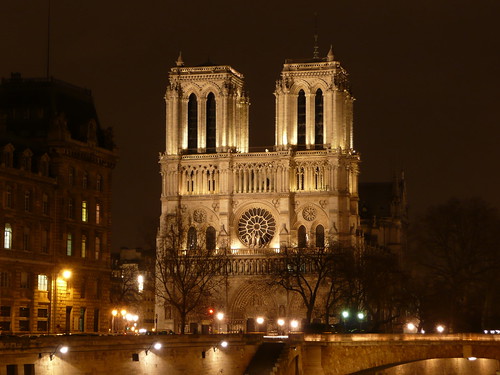

The real protagonist of the book, and one of its main themes is the cathedral of 'Notre Dame' itself. Hugo writes to book to save the cathedral which was in despair and even some people suggested to tear it down. After the book, not only the cathedral is restored, but gothic architecture revived as well. In the book, the cathedral is both a piece of architecture and the church itself, with people destroying the cathedral, it became a cemetery instead of a sanctuary and caused their deaths. The only person who doesn't cast out Esmeralda is Quasimodo, the one with the lowest status in the book. In this, Hugo declines the thought that the bad and intolerance rise from ignorance, it's the opposite, it's the knowledge the society imposes on us in forms of religion and tradition that creates discrimination. That is why only Quasimodo can love Esmeralda.


Kitabın asıl ana kahramanı ise 'Notre Dame de Paris' katedralidir. Bu kitabı Victor Hugo, 18. yüzyılda oldukça eskiyen ve yıkılması konuşulan katedrali kurtarmak için yazar. Nitekim kitaptan sonra katedral restore edilir ve bugünkü görkemli haline kavuşur. Kitapta katedral hem bir bina, hem de kilisenin kendisidir. Aslında koruyucu ve kucak açıcı olan kilise, insanların onu bozmasıyla bir mezarlığa dönüşür ve Esmeralda'yı korumak yerine ölüme mahkum eder. Esmeralda'yı dışlamayan tek kişi ise Quasimodo'dur, yani kitabın toplumdaki yeri en düşük olan kişisi. Bu sayede Hugo bize insanın içindeki kötülüğün ve hoşgörüsüzlüğün cahillikten değil, tam tersine bilgiden kaynaklandığını söyler. Çocukluğumuzdan itibaren aldığımız din, gelenek, görenek gibi çeşitli yüklemeler, ayrımcılığı yaratır, bu insanın özünde yoktur. Bu yüzden sadece hiçbir bilgisi olmayan Quasimodo Esmeralda'yı gerçek anlamda sevebilir.

'Notre Dame de Paris' is such a immortal book, that we can still see discrimination against many groups (and still against gypsies and women) through the whole world. Because of this and to debate on human nature, reading Hugo is one of the best gifts someone can give himself.


'Notre Dame'ın Kamburu'  o kadar ölümsüz bir kitap ki, bugün hala belli gruplara (ve hala çingene ve kadınlara) karşı aynı davranışları bütün dünyada görebiliyoruz. Hem bu yüzden, hem de insana dair bir şeyler düşünmek adına Victor Hugo okumak insanın kendine yapabileceği en büyük iyiliklerden biri.


Thursday, March 10, 2011

My Latest Discovery/ En Son Keşfim-ZAZ

My latest discovery of a wonderful voice thanks to the coolest friend list of mine on Facebook. I cannot believe how I could miss this one... Listen...

Facebook'taki müthiş arkadaş listemden inanılmaz bir paylaşım... Ben nasıl kaçırmışım bu kadını, ayıpladım kendimi. Dinleyiniz...


Monday, November 22, 2010

This week's I♥it/15-21 November 2010

Bu hafta sevdiğim şeyler şöyle şekerler:

1.  I ♥ Letters

Sonunda uzun süre uzak kaldığım mektup arkadaşlarıma geri döndüm. Bu hafta aldığım iki mektup sevdiğim şeylerin birinci sırasındalar. Şaşırtıcı evet, e-maillerin, skype'ilerin çağında hala elle mektup yazıp üstüne pul yapıştırıp postaya vermek... Diyorum ya içinde 60 yaşında bir yaşlı teyze var diye...


Finally, I get back to my penpals after sometime. With the two letters I got todays, letters became the first thing I ♥ this week. Yes, it's surprising to still write letters by hand, put a stamp on it and send via mail in the age of e-mails and skypes.... But remember I keep telling you that there is a 60 year old lady living inside me....


2. I ♥ Lace

Dantel elbise, dantel çorap, dantel perde, dantel dantel danteeeel....

Lace dress, lace stockings, lace curtains, lace lace lace laaaace.....


3. I ♥ Macedonia

Dün babamı Pendik'te bir Boşnak restoranına götürdüm, Balkan yemekleri, Balkan müziği, tabii toprak çekti yine. (Bilmeyenler için baba tarafım Makedonya Manastır'dan, anne tarafı da Bulgaristan'dan gelme). Yemekler yendi, Makedonya'ya gitme hayalleri kuruldu... Kısmet yaza, önce Yunanistan (malum yeşil pasaporta vize de kalktı) sonra Üsküp ve Manastır (son fotoğraf)...

Yesterday I took my dad to a Bosnian restaurant. My father's side came to Turkey in the 50's from Macedonia (former Yugoslavia) and Bosnia's culture is very close, so of course with Balkan meals and Balkan music, we started to dream about going to Macedonia. First we'll go to Greece, then to Skopje and finally Bitola (the last photo); our hometown. I hope we'll be able to do it this summer....


4. I ♥ Cat Toys

Bir kediye bir top filan verip saatlerce oynamasını izlemek dünyanın en güzel şeyi...

Giving a cat something like a ball and watch him play with it for hours is the best thing in the world...


5. I ♥ Eiffel Tower 

Nasıl geçen hafta her yerde karşıma kitaplıklar çıktıysa, bu hafta da Eyfel Kulesi çıktı durdu, önce Sex and the City'de Carrie'nin Paris'e gittiği bölüm vardı, sonra internette bir sürü başka şey, Makedonya maddesini de düşünürsek, sanırsam benim gezme vaktim geldi...

Last week it was libraries which kept showing up, this week it was the Eiffel Tower. First Sex and the City's episode in which Carrie goes to Paris was on t.v., then a lot of other things popped out on the net, with the Macedonia thread, I think my time to travel has come...


Tuesday, November 9, 2010

Cinema Mondays/Cinemalı Pazartesiler- Belle de Jour


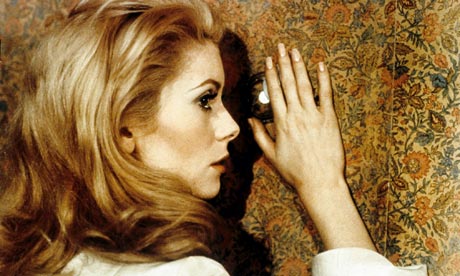
'Sinemalı Pazartesiler'e tüm zamanların (bence) en erotik filmlerinden biri 'Belle de Jour'la dönüş yapıyorum. Belle de Jour, muhteşem sarışın Catherine Deneuve'ün mermerimsi soğukluğu ve sürrealist yönetmen Luis Bunuel'in okşayıcı kamerasıyla izleyicilerin gözlerine değil bilinçaltlarına bayram ettiriyor...

My return to 'Cinema Mondays' will be with the most erotic film in the world is; 'Belle de Jour'. Belle de Jour, with fabulous blond Catherine Deneuve's statuesque coldness and with surrealist director Luis Bunuel's caressing camera is a true feast not only for the eyes but also for the subconsciousness of the viewers...


1928'te aynı adla yayınlanan Joseph Kessel'ın romanından uyarlanan film, genç burjuva güzeli Séverine'in cinsel hayatına yoğunlaşıyor. Çok yüzeysel bakıldığında hikaye çok basit, mazoşist rüyalar ve hayaller altında ezilen Séverine, sevecen ve sıkıcı kocası Pierre'le cinselliğinde zevki bulamaz. Zampara aile dostları Henri'nin bahsettiği geneleve gitmesiyle, hem kendi cinselliğini tanıyacak, hem de başına epey iş açacaktır. Genelevde tanıştığı genç gangster Marcel'in kendisine olan takıntısı ve Henri'nin onu genelevde yakalamasıyla, 'kibar fahişe' fantazisi, 'soğuk burjuva' gerçekliğini yıkar, Marcel Pierre'i vurur ve Pierre felç geçirir, Séverine de böylece üçüncü bir role bürünür; "şefkatli hemşire".

The film is adapted from Joseph Kessel's 1928 novel with the same name is based upon a young bourgeois woman Séverine's sexual life. At the first glance, the story is very simple, Séverine crushed with masochist dreams and fantasies cannot find pleasure in her life with a caring but boring husband. When she goes to the brothel that their womanizer family friend Henri told her, she connects with her own sexuality and cause herself many troubles. The young gangster Marcel's obsession to her and Henri's discovery about her working schedule will destroy her 'cold bourgeois' reality with the 'elite prostitute' fantasy. Marcel shots her husband Pierre and Pierre has a stroke, thus Séverine disguises herself into a third role; "compassionate nurse".


Bunuel filmde kadın cinselliğini, toplumun kadına yaptığı baskıyı ve kadın rollerini sorgular. Hristiyan toplumda üç tip kadın vardır; anne ve ev kadını, fahişe ve rahibe. Anne sevecen ve sıcaktır, onun için cinsellik ancak kocasını tatmin etme ve üreme yoludur, fahişe de erkekleri tatmin eder, ama onun tatmininde sevecenlikten eser yoktur, 'kadınlığını para kazanmak için kullanır', rahibe ise ilahi bir aşk için cinselliğinden vazgeçer, bu vazgeçiş kadınlığını da kaybetmesi demektir, onda artık sadece inanç kalmıştır....

In the film, Bunuel questions female sexuality, society's constraint on women and women roles. There are three type of women in the Christian Society; mother and housewife, prostitute and nun. A mother is compassionate and warm, for her sexuality only serves to satisfy his husband and the way to breed, prostitutes also satisfy men, but there isn't any tenderness in their way, 'they use their womanhood for money' and nuns leave their sexuality behind for the 'eternal love', this also means her loosing her womanhood, there is only faith left there....

Séverine ise kadınlığıyla yüzleşmekten korkar. Hayalindeki mazoşist tutkuları kibar kocası ona sağlayamaz, bu Séverine'i soğuk yapar, yani aşırı tutkuları onu dondurur. Bu yüzden 'herşeyin yapıldığı' genelevleri duyduğunda onlardan hem tiksinir, hem de merak içinde kıvranır.

But Séverine is afraid to face her own sexuality. Her husband cannot provide the masochistic pleasures that she sees in her dreams, which makes Séverine frigide; in other words, her heated passions freeze her. Thus when she hears about the brothels she both loathes and wanders about them. 


Bu hem kitabın yazıldığı, hem filmin çekildiği dönemde hem de günümüzde oldukça garip görünüyor değil mi? Hayatından sıkılan bir kadının fahişeyi oynaması imkansız geliyor, çünkü fahişelik her kadının istediği zengin ve sevgi dolu yaşamını tehlikeye sokuyor, kadını 'düşürüyor'. Bence tam da bu yüzden 'Belle de Jour' feminist bir film, fahişeliği erkeklere hizmet olarak görmüyor, Bunuel'e göre bu 'düşmek' anlamına da gelmiyor. Tersine kadınlar erkekleri ve onların garip fantazilerini kullanıp para kazanıyorlar ve yaşamlarını gayet iyi bir şekilde devam ettiriyorlar, yani düşmüyorlar tersine 'yükseliyorlar'.

It seems very unlikely both for the time that the book and film was realized and for today, isn't it? A bored wealthy housewife playing prostitutes seems impossible, because prostitution dangers the wealthy and happy life that every women desires and makes a woman 'fall' from grace. I think that for this reason, Belle de Jour is a feminist film. It doesn't see prostitution as serving a man sexually, rather men serve women to live better lives because of their fantasies, and it's not certainly to 'fall from grace' but a rise at least economically.


Öte yandan Séverine, diğer fahişelerden ayrıdır. Öncelikle ötekiler sevecenlik rolu yapıp müşterilere kur yaparken, Séverine tüm saygınlığı ve soğukluğuyla bir heykel gibidir, erkekleri çağırmaz, onların gözünü korkutur. Bu onu evin en gizemli kadını haline getirir, Séverine'e ulaşmak ve ona zevk vermek imkansız gibidir, bunu ise kanun kaçağı tehlikeli Marcel'de bulacaktır. Marcel Séverine'e karşı serttir, onu aşağılar ve bu tam da Séverine'in bütün fantazilerinde istediği şeydir.

On the other hand, Séverine is different from all other prostitutes. Others try to lure the customers by roles of compassion and love, while Séverine stays like a statue with all her dignity and coldness, she doesn't lure men, she rather intimidate them which drives them crazy of course. This makes Séverine the most mysterious woman in the house, reaching Séverine seems impossible, but the dangerous crook Marcel will win this game. Marcel is harsh with Séverine, he humiliates her, which is exactly what Séverine wanted from the beginning.

Marcel onun saygınlığını yerle bir eder, bunun işe yarama sebebi ise Séverine'inin cinselliğinin çocukluğundan beri aile, kilise gibi kurumlar tarafından bastırılmasıdır, cinselliğe (daha doğrusu) kadın cinselliğine karşı o kadar çok yasa vardır ki, Séverine zevk almayı günah olarak kabul eder. Ancak bir fahişeyken bütün bu kurumlardan bağımsızdır, Marcel'in onun kendi içindeki tabuları yerle bir etmesiyle de Séverine gerçek doyuma ulaşır.

Marcel destroys her dignity and this works because her sexuality is suppressed since her childhood by constitutions like the family, the society and the church, there are so many laws against (female) sexuality that she considers the pleasure as a sin. But she frees herself from all the societies when she is a prostitutes and Marcel destroys her own taboos which brings her to the edge of satisfaction.


Filmde çok basit bir biçimde Séverine'in kocasıyla yaşadığı günlük hayatı onun bilincini, ya da 'gerçeğini', arada kurduğu fantaziler ve gördüğü rüyalarsa bilinçaltını ya da 'fantazi dünyasını' simgeler. Séverine'in sorunu fantazilerin günlük hayatın yerinde birden bire ortaya çıkmasıyla başlar. Evdeki küçük bir iki kaza, Séverine'in gerçekliğindeki ilk kırılma noktalarıdır, önce parfüm şieşsini sonra vazoyu kırmasıyla Séverine 'mükemmel kadın' olmaktan çıkar. Garip bir şekilde bu küçük kazalar onu geneleve gitmeye yönlendirecektir.

Simply, the daily life that Séverine has with her husband represents her consciousness, or her 'reality', the fantasies and dreams represents her subconsciousness or her 'fantasy world'. Séverine's problem begins with her fantasies appearing for no reason in her daily life. A couple of little accidents at home are the first breaking points in her daily life, with the breaking of a perfume bottle, then a vase will unsettle her perfect woman status. Strangely, these little accidents will drive her to the brothel. 


Genelev ise ilk başlarsa fantazi dünyası olmasına rağmen, zampara Henri'nin onu genelevde görmesiyle gerçek dünyasını yıkacak bir güç haline gelir. Kocasının felçli kalmasıyla Séverine iki rolünden de vazgeçmek zorunda kalır ve 'rahibe' haline gelir, artık tek amacı kocasına bakar şefkatli bir hemşire olmaktır. Bu rol de Henri'nin Pierre'e gerçeği söylemesiyle yıkılır ve filmin sonunda Séverine'e kalan tek yaşam artık fantazileridir, yalnız bu defa fantazileri cinsellikle ilgili değil, kocasının iyileşmiş olmasıdır. Filmin bitimiyle Séverine'i tüm hayatı fantazilerle ele geçirilmiş halde bırakırız böylece...

At first, the brothel also represents her fantasy life, but with Henri's discovery of her favorite pastime, it will become a force that can ruin her real life. With her husband's stroke, Séverine must give up both roles and will transform into a 'nun', her sole purpose is now to take care of her husband. This role will also be destroyed with Henri's revelations to her husband and at the end of the film, only her fantasies are left for Séverine, but this time, the fantasies will not be about sexuality, but about his husband's miraculous recovery. With the end, we leave Séverine entirely captured by her fantasies....

Monday, September 6, 2010

Sinemalı Pazartesiler/ Cinema Mondays-Les Plages D'Agnes

"I'm playing the role of a little old lady, pleasantly plump and talkative, telling her life story."


Fransız Yeni Dalga hareketinin tek kadın yönetmeni efsanevi kadın Agnes Varda'nın kendi hayatını anlattığı belgeselin fragmanının 2008 yılında izlediğimden beri filmi izlemek için yanıp tutuşuyordum, kısmet bugüneymiş.

Since I saw the trailer of The French New Wave Movement's legendary only filmmaker Agnes Varda's documentary about her own life in 2008, I was crazy about seeing it, but couldn't until now.

'Agnes'in Plajları' (Les Plages d'Agnes) Brüksel'in plajlarından İkinci Dünya Savaşı rüzgarıyla Fransa sahillerine savrulan, Paris'in 'Rive Gauche'undan (Seine nehrinin sol kıyısı- dönemin önemli politik ve sanatsal ekolü) yaşayıp 70'lerdeki özgürlük rüzgarıyla yelkenini bu sefer Amerika'ya yönelten Agnes Varda'nın hayat öyküsü. Deniz aşığı olan ve İkinci Dünya Savaşı sırasında ailesiyle birlikte teknede yaşayan Varda hayatını da plajlarda anlatmayı seçmiş.

'The Beaches of Agnes' (Les Plages d'Agnes) is the life of Agnes Varda born in the beaches of Brussels and blown to French beaches by the wind of the Second World War, lived in the 'Rive Gauche' (the left side of the Seine- an important political and artistic movement) and turned her sail to U.S.A. with the 70's freedom movement. A sea-lover who lived on an actual boat during the Second World War, Agnes Varda chooses to tell her life story on beaches. 


Ama film ne bir otobiyografi ne de hayat öyküsü aslında, daha çok görsel bir memoir diyebiliriz. Nasıl ki anılar beynimizde kronolojik sırada yer almıyorsa, film de kronolojik bir sıra izlemiyor, bu yanıyla film bilinç akışı yöntemini kullanıyor, diğer yandan Varda yaşadığı yerleri ve karşılaştığı insanları tekrar ziyaret ediyor, ve bize sadece geçmişini anlatmıyor, geçmişini bizim gözümüzün önünde yeniden canlandırıyor.

But the film is neither an autobiography nor a life story, it's more of a visual memoir. Like our own memories which don't follow a chronological order in our brains, the movie also doesn't have one, the main writing style is stream-of-consciousness and Varda recreates her memories with the camera visiting the places and people she encountered, instead of telling the audience about it.


Aslında, Agnes Varda'nın yönetmenliği ön plandadır, ama Varda aynı zamanda çok iyi bir fotoğrafçı ve enstelasyon sanatçısıdır, bu özellikleri filmi sıradan bir belgesel olmaktan çıkarıp, şiirsel bir deneme haline getiriyor.

Normally, Varda's directing is well-known, but she is also a photographer and installation artist which forms the films into a poetic experiment, rather than a simple documentary.


Film, kumsalda büyüklü küçüklü aynaların birbirine tutularak yansımalarının çekilmesiyle başlıyor, bu şekilde yaşanan olayların yansıması olan anılar ve bilinçaltına giriyoruz. Zaten Varda her gittiği yeri geri geri yürürken anlatıyor, böylece kendisi fiziksel olarak da geçmişe doğru bir yolculuğa çıkıyor. Bu yolculukta son 60 yılda dünyaya hakim olan hemen her şey var; İkinci Dünya Savaşı, Yeni Dalga ve Rive Gauche hareketlerinden 343 Manifestosu'na (diğer bir tabirle '343 Salopes'- 343 fahişe manifestosu, 70'lerde Fransa'daki 343 kadının kürtaj yaptırdığını kabul ettiği kürtaj yasağı karşıtı oluşum), Amerika'daki hippi hareketinden, Çin ve Küba Devrimine ve Jim Morrison'ın cenazesine kadar aklınıza gelebilecek her şey. Böyle bir hayat tabii ki sıradan bir tarzla anlatılamıyor. Sonuçta ise ortaya benzersiz bir sinema denemesi çıkıyor.

The film opens with the reflections of little and big mirrors on the beach facing each other, in this way, we enter in the realm of the memories and subconsciousness which are reflections of the life itself. Furthermore Agnes Varda tells her life while walking backwards, in this way, she physically enter a journey to the past. In this journey, everything that ruled the last 60 years is present; from Second World War, French New Wave and Rive Gauche Movements, 343 Bitches Manifest (in the 70's 343 women aadmitted to having abortions in order to protest the abortion ban), hippies in the U.S.A. to China and Cuba Revolutions and Jim Morrison's funeral. A life like this of course cannot be told in a normal way. A unique cinema experiment is the result of all these aspects.  


Thursday, August 19, 2010

Le Vent Nous Portera- The Wind Will Carry Us

Bugün mp3 çalarımın pili bittiğinden telefonumun radyosuna kaldım. Önce sabah Joy'da sonra akşam Eksen'de bir süre en sevdiğim şarkılardan biri 'Le Vent Nous Portera' çalınca size de şarkıyı hatırlatayım dedim. O ne güzel kliptir öyle değil mi?

Today I had to settle with my cellphone's radio since my mp3player's battery was dead. I listen to 'Le Vent Nous Portera' which I loved a lot at the time first in the morning and than in the afternoon, so I has to put it in the blog. What a beautiful video, isn't it?


Noir Désir - Le Vent Nous Portera


Here is the English translation


I'm not scared of the road
We should see, must taste
From meander in the hollow of your breast
And there everything will be OK
The wind will carry us
Your message to Ursa Major ******
And the trajectory of your race
An instant of velvet
Even if it's not useful though
The wind will take it away
Everything will disappear but
The wind will carry us
The caress and the grapeshot
And that wound that tears us appart
The palace of everyday
From yesterday and tomorow
The wind will carry them
The genetic in shoulder-belt
Chromosom in the atmosphere
Taxis for galaxies
And my flying carpet says ?
The wind will take it away
Everything will disappear but
The wind will carry us
This perfume of our dead years
What can knock at your door
Infinity of destinies
We lay some but what do we retain?
The wind will take it away
During the tide rises
And everyone is doing its accounts
I take in the hollow of your shadow
Dusts of you
The wind will carry them
Everything will disappear but
The wind will carry us


Wednesday, June 2, 2010

Sunday, May 23, 2010

63. Cannes Film Festivali Ödülleri/ 63. Cannes Film Festival Awards


63. Cannes Film Festivali sonuçlandı. Altın Palmiye benim hiç tanımadığım bir yönetmene gitti ve benim için sürpriz oldu; Taylandlı yönetmen Apichatpong Weerasethakul'un 'Lung Boonmee Raluek Chat' (Uncle Boonmee who can Recall his Past Lives- Geçmiş Yaşamlarını Hatırlayabilen Boonmee Amca). Tayland bu filmle Cannes'da ilk defa ödül aldı, ne diyelim hayırlı olsun.

The 63th Cannes Film Festival awards are given. Le Palme d'Or went to a director I don't know and was a surprize for me; Thai director Apichatpong Weerasethakul's 'Lung Boonmee Raluek Chat' (Uncle Boonmee who can Recall his Past Lives). Thailand won the Palme d'Or for the first time, so it is all good after all.

Grand Prix ödülü, favori filmlerden birine, Xavier Beauvois'nın filmi 'Des Hommes et Des Dieux' (Of Gods and Men- İnsanlar ve Tanrı)'ya gitti.

The Grand Prix award goes to Xavier Beauvois' film 'Des Hommes et Des Dieux' (Of Gods and Men). 


En iyi yönetmen ise, 'Tournée' ( On the Tour- Turne) filmiyle Matthieu Amalric'e gitti. Daha önce bu filmi merak ettiğimi söylemiştim, şimdi merakım iki katına çıktı.

The best director is 'Tournée' (On the Tour)'s director Matthieu Amalric. I said before that I'm anxious to see this movie, now the anxiousness is doubled.  


En iyi senaryo 'Poetry' (Şiir) filmiyle Lee Chang-Dong'a, en iyi kadın oyuncu 'Copie Conforme' (Certified Copy) filminin oyuncusu Juliette Binoche ve en iyi erkek oyuncular Buitiful'un oyuncusu Javier Bardem ve La Nostra Vita (Notre Vie- Hayatlarımız) filminin oyuncusu Elio Germano oldu.

The best scenario went to Lee Chang-Dong for the film 'Poetry', the best female actor Juliette Binoche with her film 'Copie Conforme' (Certified Copy). The best male actor award is divided to Javier Bardem for his film 'Buitiful' and Elio Germano with his film 'La Nostra Vita' (Notre Vie- Our Lives). 


Jüri özel ödülü ise 'Un Homme Qui Crie' (Screaming Man) filmine gitti.

The Jury Prize went to 'Un Homme Qui Crie' (Screaming Man). 

Kısa film Altın Palmiye'sini 'Barking Island', jüri özel ödülünü ise 'Bathing Micky' aldı.

The Palme d'or of the short film went to 'Barking Island' and jury prize went to 'Bathing Micky'.  

Bu gece beni affedin, kırmızı halı kısmını yarın yazarım (belki bak söz vermiyorum daha hasta kalkabilirim)

Forgive me for keeping this post short, I'll try to write the red carpet later if I feel better. 

görseller/photos: yahoo news

Wednesday, April 28, 2010

Müzikli Çarşambalar/ Musical Wednesday- Carla Bruni

Ben uzun zamandır, Carla'cığım Bruni'ciğimi koymamıştım bloga, işte bence en güzel şarkısı:

I didn't put the lovely Carla Bruni in my blog for a long while, so here is my favorite song of her:


Carla Bruni Sarkozy olduktan sonra çıkan bu albüm Fransızları fazlasıyla rahatsız etti, çünkü Bruni'ciğim hemen hemen her şarkıda Sarkozy'le seks hayatına değinmeden geçmiyor. Açıkçası ben de başbakanımızın seks hayatını dinlemek istemezdim. İşte sözler:

This album that she made after being Carla Bruni-Sarkozy disturbed French people a lot, because in almost every song, there are parts describing their sex life with Sarkozy. To tell you the truth, I wouldn't want to listen to my Prime Minister's sex life either.

Déranger Les Pierres

Je veux mes yeux dans vos yeux
Je veux ma voix dans votre oreille
Je veux les mains fraiches du vent
Je veux encore le mal d'aimer

Le mal de tout ce qui émerveille
Je veux encore brûler doucement
Marcher à 2 pas du soleil

Et je veux déranger les pierres
Changer le visage de mes nuits
Faire la peau à ton mystère
Et le temps,j'en fais mon affaire

Je veux t'ouvrir dans ma bouche
Je veux tes épaules qui tremblent
Je veux m'échouer tendrement

Sur un paradis perdu
Je veux retrouver mon double
Je veux l'origine du trouble
Je veux caresser l'inconnu

Je veux mourir un dimanche
Au premier frisson du printemps
Sous le grand soleil de satan

Je veux mourir sans frayeur
Mon dieu,dans un sommeil de plomb
Je veux mourir les yeux ouverts
Aller au ciel,comme un mendiant


Taşları yerinden oynatmak

Gözlerimi gözlerininiz içinde istiyorum
Sesimi kulağınızın içinde istiyorum
Rüzgarın taze ellerini istiyorum
Hala sevmenin acısını istiyorum

Hayranlık veren herşeyin acısını
Hala usulca yanmak istiyorum
Güneşin iki adım uzağında yürüyerek 

Ve taşları yerinden oynatmak istiyorum
Gecelerimin yüzünü değiştirmek
Gizeminin tenine ulaşmak
Ve zamanla, skandalımı yaratıyorum  


Seni ağzımda açmak istiyorum
Sarsılan omuzlarını istiyorum
Yavaşça karaya oturmak istiyorum 

Kayıp bir cennette
İkizimi bulmak istiyorum
Belanın kökenini bulmak istiyorum
Bilinmeyeni okşamak istiyorum

Bir pazar günü ölmek istiyorum
İlkbaharın ilk ürepermesinde
Şeytanın büyük güneşinin altında

Korkusuzca ölmek istiyorum
Tanrım, ağır bir uykuda
Gözlerim açık ölmek istiyorum
Bir dilenci gibi, gökyüzüne ulaşmak 


Monday, April 26, 2010

Sinemalı Pazartesiler/ Cinema Mondays-Thomas in Love

Bu hafta duymadığınızı düşündüğüm, 11 ödüllü bir ilk film hakkında yazacağım, 'Aşık Thomas' (Thomas est Amoureux- Thomas in Love).

This week, I'm writing about a film that you probably didn't hear about; 'Thomas in Love' (Thomas est Amoureux).


"Eğer hayatınızı odanızdan çıkmadan yaşayabilseydiniz, dışarı çıkmanız için ne olması gerekirdi?"

"If you can lead your life without leaving your room, what would it take to step outside?"


Cevap tabii ki aşk... Belçikalı yönetmen Pierre-Paul Renders'ın 2000 yapımı bu ilk filmi, belirsiz bir gelecekte geçiyor. 32 yaşındaki agorafobik Thomas 8 yıldır odasından dışarı çıkmamıştır. Gelişmiş teknolojinin sayesinde aslında kimsenin odasından çıkması çok da gerekmektedir; görüntülü telefonla herkesle konuşabilir, hatta terapi bile görebilirsiniz, ihtiyacınız olan her şey evinize postalanır, ve en önemlisi sanal gerçeklik gözlüklerinin çok gelişmiş abileri olan sanal gerçeklik kıyafetini giydiğinizde, karşınızdakinin fiziksel her hareketini yanındaymış gibi hissedersiniz. Yani Thomas'ın dışarı çıkması için hiçbir neden yoktur.

Of course, the answer is 'love'... In this first film of Belgian director Pierre-Paul Renders made in 2000, is set in an unknown future. A 32 year-old agoraphobic Thomas didn't leave his room for 8 years. With the help from the high-technology, he doesn't really need it all that much anyway; he could talk to everyone he wants with video-phone, he could get everything he needs posted to his home, and most importantly, with the virtual reality suit, he could make love and feel the touch of the opposite person without having her near him. So, Thomas doesn't have a reason to leave his room anyway. 

Bu hayatı gerçekleştirmek için gereken bütün parayı da sigorta karşılamaktadır, taa ki terapisti Thomas'ı internetten bir tanışma sitesine üye edip, birileriyle tanışmaya zorlayıncaya kadar...

The money he needed comes from the insurance company, until his therapist forces him to meet with someone online on a dating site...

Thomas her ne kadar buradan kendi tuhaflıklarına tahammül edebilecek birini bulsa da, asıl aşkı, yine internet üzerinden yapılan bir genelevde, Eva'yla bulacaktır. Acaba görüntülü telefon ve sanal gerçeklik gerçek aşk için yeterli olacak mı, yoksa Thomas Eva'ya  gerçekten dokunabilmek için evden çıkmak zorunda mı kalacak?

Even though Thomas founds someone who can stand with his abnormalities, he finds real love in a virtual brothel, with Eva, a prostitute. Will live chatting and virtual reality sex be enough for real love or would Thomas finally leave his home to truly touch Eva?

'Thomas est Amoureux'nün ilginç tarafı sadece konusu değil. Daha önce de bu tarz modern toplum satirlerine filmlerde, kitap ve oyunlarda rastlasak da, film hem tarzıyla, hem de muhteşem sanal gerçekçilik giysisiyle benzerlerinden hızla ayrılıyor.

Not only the plot of 'Thomas in Love' is interesting. This kind of modern times satyr is already done in books, films or plays before, but the style of the film and the clever invention of the virtual reality suit really set the difference from the other examples.

Filmin en ilginç tarafı, tamamen Thomas'ın odasında, daha  doğrusu onun görüntülü telefonunun ekranında geçmesi. Bütün filmi Thomas'ın bakış açısından görüyoruz, yani filmin baş karakteri filmde hiç gözükmüyor. Film böylece agorafobik dünyanın klostrofobik hissini izleyiciye geçirmiş oluyor. Hem bu dünyanın yapaylığını vurgulamak, hem de klostrofobikliğini biraz hafifletmek için tüm mekanlar ve kişiler oldukça renkli olarak tasarlanmış, fragmanda da görebileceğiniz gibi bir de alınlarında garip simgeler taşıyorlar. 

The most interesting part of the film is that it shows only Thomas' room, or rather the screen of his video-phone. We watch the hole film in Thomas' Point-of-View; through Thomas' eyes, so we never see the protagonist of the film. This way, it conveys the claustrophobic atmosphere of Thomas' world. To accentuate the artificialness of this world and to lift up the spirit of the film a little bit, all the characters and the places are very colorful and as you can see from the trailer, the characters all have symbols on their foreheads.  


Son olarak şunu söyleyebilirim ki, 'Thomas est Amoureux' çok eğlenceli ve ilginç bir ilk film ve anal sex sahneleri harika! Bir de dip not, Eva'yı Belçikalı Türk oyuncu Aylin Yay oynuyor. İzleyiniz!

Lastly, I must say that 'Thomas in Love' is a very entertaining and interesting first film, and the virtual sex scenes are awesome! Go watch it!

Fragman/Trailer:

Tuesday, April 20, 2010

Sinemalı Pazartesiler/ Cinema Mondays-Week-end

'Sinemalı Pazartesiler'in ilk filmi, tabii ki bloga adını veren Godard'ın şahanesi, şaheseri 'Week-End' (Haftasonu, 1967). Aslında Godard'ın en sevdiğim filmi 'Une Femme est Une Femme' (Kadın Kadındır) ve 'Vivre Sa Vie' (Hayatını Yaşamak- My Life to Live)'dir, ama Week-end Godard'ın en şahsına münasır ve cesur filmidir, hem de blogumun isim babasıdır.

 The first film of 'Cinema Mondays' is of course the wonderful masterpiece of Godard 'Week-end' (1967). Actually my favorite Godard films are 'Une Femme est une Femme' (A Woman is a Woman) and 'Vivre Sa Vie' (My Life to Live), but 'Week-end' is Godard's most brave and special film that characterizes him, also it's the Godfather of my blog (hence the name: The Daughter of God and Alexandre Dumas).


'Week-end' anlatması zor bir film. Sinopsisi (özeti) internet sitelerinde aşağı yukarı şöyle geçiyor; Burjuva bir Fransız çifti, Roland (Jean Yanne) ve Corinne (Michelle Darc) birbirlerini aldatmaktadırlar ve birbirlerini öldürme planları kurarlar. Corinne'in babası ölüm döşeyindedir, çift de mirası almanın planlarını kurarlar, bu planlara baba doğal yollardan ölmezse onu öldürmek de dahildir. Bir haftasonu Corinne'in ailesinin köy evine giderler, ancak yolda sürreal bir trafik sıkışıklığı yüzünden babanın ölümünü kaçırırlar, anne de onlara mirastan pay vermeyi reddeder. Bunun üzerine çift Paris'e dönmek için yola çıkarlar ve arabaların çalışmadığı ya da patladığı garip bir yolda, köylülerden ölü yazarlara, hatta İsa'ya kadar (bkz. Tanrı'nın ve Alexandre Dumas'nın oğlu) garip karakterlerle karşılaşırlar, sonunda da yamyam bir hippi çetesinin eline düşerler.

'Week-end' is a difficult film to summarize. The synopsis on internet sites like imdb goes more or less like this: a bourgeois French couple; Roland (Jean Yanne) and Corinne (Michelle Darc) are cheating and planning to kill each other. Corinne's dad is on his death bed and they plan to have his heritage collected, even if it means killing him first. They decided to go to Corinne's family home in the country but miss his dad's death due to a traffic jam which seems pretty surreal and the mother refuses to give their share. On their road back to Paris, they are left in a crazy road where they car got exploded, they met crazy people from villagers to dead writers and even Jesus himself (who introduce himself as The Son of God and Alexandre Dumas) and finally were captured by a carnivore hippie group. 

Bu özetten de anlaşılacağı gibi, 'Week-End' oldukça sağlam bir kapitalizm eleştirisi. Bunun ötesinde popüler sinema ve kültüre atıfta bulunmaktan kaçınmıyor. Ama en önemlisi, kapitalizmin öngördüğü halleriyle 'malların' (arabalar, marka kıyafetler vs.) çalışmadığı ve kapitalizmin çöktüğü bir kıyamet habercisi.

As you can very well see from the synopsis,  'Week-End' is a very hard criticism on capitalism. It also attacks to popular cinema and popular culture. But most importantly, it's the prophecy to an apocalypse brought buy 'wares' (cars, high label clothes etc.)


Filmin okumasında önemli bir nokta (Godard'ın sık sık kullandığı gibi) filmdeki title'lar. Filmin adının Fransa bayrağı renklerinde üstte gördüğünüz şekilde yazılması, bize sıkı bir Fransa eleştirisi izlemek üzere olduğumuzu belirtmekle birlikte, yazının pop-art hali ve Fransızca'ya İngilizce'den nadiren geçen kelimelerden biri olan Week-End (Haftasonu)'nun isim olarak seçilmesi de filmdeki kültür eleştirisine dair ilk izleri vermekte. Daha sonra gelen 'Kosmos'ta kaybolan  film' ve 'Çöpten çıkan film' başlıkları da filmin ana temalarını oluşturuyor.

An important tool on reading this film (as in most of Godard's film) are the titles. As you can see above, the title is written in the colors of flag of France, which means that we are about to see a hard-core critism of French society. The pop-art influence on the title, on the other hand and the fact that the title 'Week-End' is one of the very few English phrases that entered to French indicates that the popular culture will also be attacked in the film. The intertitles that comes right after that; 'The film lost in Cosmos' and 'A film found on the scrap-heap' are the main themes of the movie.
 

Filmde baştan sonra haftanın günlerine, özellikle de haftasonuna yapılan göndermeler var. Çünkü haftanın günlerini sabahtan gece yarılarına kadar çalışarak geçiren orta sınıf, haftasonlarında da kazandıkları paraları kapitalist sistemin sunduğu mallarla geçiriyorlar. Her şey bir maldır vurgusu filmin ana noktası, zira filmin sonunda hippilerin ütopik sisteminde, insanlar bile birer et parçasına dönüşüp yenebilen bir mal haline geliyorlar. 'Çöpten çıkan film' ise İngilizce tabiriyle 'Trash Film/ Çöp Film'lere gönderme yapıyor. Godard bu filmin çöpten geldiğini söylüyor ve filmini hemen tüketilecek bir tüketim malzemesi olarak sunuyor. Bunu da, dönemin star oyuncuları ve büyük stüdyo yıldızları Mireille Darc ve Jean Yanne'yi başrol oyuncuları olarak kullanarak yapıyor. Film hakikaten, Godard'ın en yüksek bütçeli ve en çok reklamı yapılan filmlerinden biri. Bir not daha iletmek gerekirse, filmin ortaya çıkması, o dönemde büyük bir stüdyoyla anlaşmalı çalışan Mireille Darc'ın bir Godard filminde oynamadan başka bir filmde oynamayı reddetmesi üzerine oluyor. Godard da bu fırsatı çok iyi değerlendirip ortalama Fransız seyircilerine güzel bir ambalaj içinde kaosu sunuyor.

There are countless references to the days of the week, especially to the week-end in the film, because the middle-class who spend their day and night during the week to work spend their money on 'wares' that the capitalism offers on week-ends. The main point of the movie is that 'Everything is a ware', at the end of the film, even people become wares in the utopical society of the hippies and transform itself to an edible ware on top of that. 'The film found on the scrap-heap' refer to 'Trash' Films. Godard tells us that the film is garbage and offers the film as a consumption ware that will turn to trash. He makes this in using very famous studio stars of the day Mireille Darc and Jean Yanne as lead actors. The film is, in fact, one of Godard's highest budgeted and commercialized films. To give another side note, the thing that creates the film is Mireille Darc's insistence, who was at the time deployed for a big studio, on playing in a Godard film before playing on anything else. Godard used this opportunity very well and creates a sort of chaos inside a shiny package.


Duran trafik ve çalışmayan arabaların kornalarıyla başlayan kıyamet, Corinne ve Roland'ın arabalarının yanmasıyla başka bir boyuta taşınıyor. Para için babasını öldürme planları yapan Corinne'in bu kazaya tepkisi arabada kalan Hermes çantasına ağlamak olur. Ama yürümeye başladıkları yolda birer birer marka giysilerinden sıyrılıp yolda gördüğü ölmüş adamların giysilerini giymeye başlar. Makyajı ve saçı bozulmuş erkek kıyafetleri giymiş Corinne, değişimini tamamladığında kocasını bırakıp hippilerin liderinin sevgilisi olur ve insan eti yer. Çünkü Corinne (yanı Fransız kadını) üstüne ne giydirilse onun rolüne bürünür.

The apocalypse that starts with heavy traffic and the horns of broken cars takes another turn with Corinne and Roland's car exploding. Corinne who plans to kill her own father for money reacts to this accident in crying for her lost Hermes bag. But on the road that they need to take on foot, she has to live all her high-end clothes and wear dead-men's clothes to keep her warm and comfortable. When Corinne who lost her clothes, her Hermes bag and whose make-up and hair got disturbed, finishes her transformation end up with the leader of the hippies leaving his husband behind and eats human flesh. Because Corinne (a.k.a. the French Women) changes with the costumes she got to wear.

Yollarında karşılarına köylüler dışında Emily Bronte gibi ölmüş yazarlar da çıkar. Roland ve Corinne Bronte'yi yakarlar, bu Godard'ın klasik sanatı yok etme girişimidir, çünkü ancak klasik sanat yok olduğunda yeni bir sanat ortaya çıkabilir. Filmde, klasik sinemanın öğeleri de kullanılır; genelde trafik görüntüleri ve insan manzaralarından oluşan ağır tempolü klasik sahneler (ki bu sahnelere Mozart gibi klasik müzisyenler eşlik eder). Ancak Corinne yolunda ilerlerken (çünkü Roland sadece kadın yalnız olamayacağı için yanında taşıdığı bir aksesuar gibidir) bu sahneler yerini hızlı kurguya bırakır. Bu Godard'ın klasik Fransız Sineması'nı öldürme biçimidir. İşte bu yüzden filmin sonunda 'Filmin Sonu/Sinemanın Sonu' yazar.

With the villagers on the road, they also meet dead writers like Emily Bronte. Roland and Corinne burn Bronte alive, this is Godard's attempt to destroy the classical culture, because a new interpretation of culture can only be created when the old-one is destroyed. The film also uses classical cinema techniques in the beginning like long takes with musics from Mozart and alike, but with the road that Corrine takes, the editing changes into a faster-one. This is his way to destroy the classical French cinema. This is why the film ends with the title 'End of Film/ End of Cinema'. 

Arabalarının yanmasıyla başlayan kaos ve sınıf çatışması (çift ve köylüler arasında) herkes sınıfını belli eden araba ve kıyafetlerinden arındığında yerini ütopik bir sisteme bırakır. Bu sayede Godard Fransızlara sonsuz güçte olduğunu sandıkları sistemlerinin, araçlarından biri bozulduğunda (arabalar) ne kadar kolay yıkılabileceğini gösterir. 'Week-end' bir kıyamet habercisidir, çünkü filmin çekiminin ertesi yılı, yaratılan bir kıvılcımla Paris '68 Baharı'nı yaşayacaktır. (bilmeyenler için 68 Mayıs'ın önce öğrenci protestosu olarak başlayan hareket işçileri de içine katarak büyüdü ve dünyanın ilk toplu grevine yol açtı. Seine Nehri'nin sol kıyısında Rive Gauche'u ele geçiren öğrenciler 1 ay süreyle orada kendi sistemlerini kurdu. Olaylar neredeyse Charles de Gaule'ü devirecekti ve Haziran'da erken parlamento seçimine gidilmesine neden oldu. Bu konuda bildiğim en iyi film: 'The Dreamers-Bertolucci). Bu grevde öğrencilerin barikat olarak araba yakması da Godard'a bir yerlerden vahi indiğinin göstergesi olarak tarihe geçmiştir.

The chaos and social-class struggle that starts with the exploding cars (mainly between the couple and the villagers) leaves the stage to an utopic system when everyone free themselves from their labeled clothes and their cars. In this way, Godard shows us how fragile capitalism is and how can it be destroyed simply when its tools (cars) are broken. 'Week-end' is a prophecy of the apocalypse, because just a year later, France lives the famous May of '68 created from a simple flame. (For the ones who does not know the May of 1968; started as a simple student protest, the movement shortly recruited factory workers and created the first mass strike of the world. The students invaded 'Rive Gauche'- the left side of the River Seine and started their own system for a month. The events almost costed De Gaulle his position and forced the parliament to go to an early election in June. For a film on the events, I recommend 'The Dreamers' from Bertolucci.) This incident proves that Godard had an epiphany from some unknown source, because the students used burning cars as barricades in the strikes.

Son olarak, trailer'ını bulamadığım için bloga adını veren kısmını aşağıda veriyorum.

I could not find a trailer anywhere, so I post the part of the movie which inspired me for the blog title one more time:


Wednesday, April 14, 2010

Annemi Öldürdüm/ I Killed my Mother

Dünkü filmlerim, bildiğiniz üzre 'Özgürlük (Korkoro) ve 'Annemi Öldürdüm' (J'ai Tué ma Mere)'di. İkisi de o kadar özel filmler ki, onları ayrı yazılar halinde yazmaya karar verdim.

As you know, my films yesterday at Istanbul Film Festival were 'Freedom' (Korkoro) and 'I Killed My Mother' (J'ai Tué Ma Mere). Both of them are special films, so I decided to write them in different posts.

Dün akşamdan beri bu yazıyı yazacağım, ama bir türlü elim varmıyor, çünkü ne yazacağımı bir türlü bulamıyorum. Hani bazı filmler vardır ya, bayılırsınız, bu hayatımın filmlerinden dersiniz ama neden beğendiğinizi bir türlü açıklayamazsınız. İşte 'Annemi Öldürdüm' (J'ai Tué ma Mere) böyle bir film oldu benim için.

I'm writing this post in my head since last night, but I couldn't write it 'til now, because I don't really know what to say. There are some films, you know, that you love, that you say "it's the film of my life" but cannot really articulate what you like about them. 'I Killed My Mother' (J'ai Tué ma Mere) is one of those films for me.


İlk önce filmin Kanadalı daha önce oyunculuk yapan da 21 yaşındaki Xavier Dolan'ın ilk filmi olduğunu, başrol oyuncusunun da kendisi olduğunu, filmin bol miktarda oto-biyografik öğeler içerdiğini ve Cannes Film Festivali dahil çeşitli festivallerden 22 ödül aldığını belirtmek istiyorum. Adını bir yere not etin, zira Dolan adını ilerki yıllarda sıkça duyacağız eminim.

First, I'll say that the film is the first film of 21 year old Canadian actor Xavier Dolan's first film, that he is also the lead actor, is a semi-autobiography and that it has 22 awards in festivals including Cannes. Note his name somewhere, because we're sure gonna here more from him.


Film, aslında 16 yaşındaki eşcinsel bir çocuğun, annesiyle arasındaki aşk-nefret ilişkisi, ki bu hikaye çoğumuza tanıdık bir hikaye. Ergenlik başına vurmuş, üstelik eşcinselliğini anlamaya çalışan ve babasını neredeyse hiç görmeyen bir oğul ve biraz tuhaf ama sonsuz sıkıcılıkta normal bir anne ve her gün her gece kavga.... Filmin özelliği de burada başlıyor işte, çok basit ve kolaylıkla dandik bir gençlik filmi olabilecek bir konuyu öyle bir anlatıyor ki Dolan, 70 yaşında bir insan da izleyip bu 21 yaşındaki çocuğa hayran kalabiliyor. (Bkz. yanımda oturan adam)

The film is really only the typical love-hate story of a 16 year-old gay guy (Hubert) and his mother. A furious son in puberty, who tries to identify his sexual identity and a weird but boring "normal" mom, the result: quarrel every day and night... The originality of the film starts here, Dolan tells this cliché story that can easily turn into a stupid teen-drama with such virtousity that even a 70 year old festival-goer can be amazed by this 21 year-old boy. (see my neighbor at the theater)
Film basit, zorlama bir görsellik yaratmaya çalışmıyor, çok büyük şeyler anlatmak gibi bir derdi de yok. Sadece çok iyi oyunculuklar, bildik dialoglar ve Xavier Dolan'ın aralara serpiştirdiği, ama asla abartı kaçmayan ve göze çarpmayan küçük detaylar. Nasıl mı? Mesela, benim filmde en sevdiğim tekniklerden biri, Amerikan sit-com'larından sinemaya da miras kalan, her mekan değiştiğinde establishing shot yapıp önce mekanı tanıtma merakına getirdiği yenilik. Dolan, mekanı anlatan geniş bir planla sahneleri paylaşmak yerine, Godard'vari bir usülle, mekanın özünü oluşturan 4-5 nesneyi birbirinin ardına çok yakın planlarla veriyor. Bir de, yine Amerikan filmlerinden bize de miras kalmış, her sahneyi 40 değişik planla çekip 2 saniyede bir kadraj değiştirme gibi bir derdi yok, genelde en çok 2 planla çalışmasına rağmen film hiç yavaşlamıyor, kurgusu çok başarılı yani.

The film has simplicity in it, it doesn't try to create an artificial visuality or 20 minute long scenes that tell you nothing, not has the mission to deplore important topics. Just very good acting, good but familiar dialogues and little details of Xavier Dolan's direction that don't stand out. How? For example, one of the techniques that I liked most about the film that, instead of putting a wide shot of every place that the scene will be on like sit-coms or lately some Hollywood films, he just puts 4 or 5 details that builds the atmosphere of the place with close-ups in a Godarian style. Also, he doesn't use 40 shots for a two minute scene like Hollywood films or again lately some Turkish films do, most of the time, the camera stays put and there is at most 2 shots in the whole scene, but the film is not slow or boring at all, hence the skill of the editor.
 

Filmde en sevdiğim sahneyi youtube'dan buldum, homofobikseniz izlemeyin (zaten homofobikseniz rica ederim benim blogumu izlemeyin, çıkın efendim, çıkın!). Hiçbir spoiler içermiyor, ama zaten blogumu oldukça sık ziyaret eden sapıklara yenilerini eklememek için bu güzel sevişme sahnesinin sadece linkini veriyorum, gidin youtube'a izleyin:)

I found my favorite scene on youtube, don't watch it if you're homophobic (if you're not homophobic, also please don't read my blog, go away, shoo, shoo). It is not a spoiler, but I only put the link here not to augment the number of perverts who already visit the blog.

Bir de Hubert'in (Xavier Dolan) gelinlikler içindeki annesini kovalama kabusu var ki, izlemeden size nasıl anlatabilirim bu sahnenin başarısını bilemiyorum. (trailer'da bir kısmı var izleyin)

There is also a scene of Hubert's nightmare where he tries to catch up with his mother wearing a wedding dress, but I don't know how to tell how hilarous was it, you have to watch it! (A little part of it is in the trailer, go watch it)

Son olarak, Xavier Dolan'ın oyunculuğunun yönetmenliğinden de iyi olduğunu eklemeden geçemeyeceğim. Bence Xavier Dolan, Godard'ın daha eğlenceli ve politik olmayan versiyonu. Filmde tek sevmediğim şey korkunç Kanadalı Fransız aksanları oldu, Fransızca bilmiyorsanız size bir şey ifade etmez ama Kanadalıların Fransızcası Amerikanca'yla (bence Amerika'da İngilizce konuşulmuyor, o dile Amerikanca demek lazım) Fransızca'nın karışımı, herşeyi ağızlarını yaya yaya söylüyorlar, hele puis (püi)'ye pi demiyorlar mı beni deli ediyorlar! Neyse efendim, filmi muhakkak izleyin, bu oğlanı da bir yere not etin diyorum. Orson Welles'in 'Citizen Kane'i çektiği yaştayım krizimden sonra, bir de benden 4 yaş küçük veledin çektiği filme bak kompleksini bana eklediği için kendisine teşekkür ederim.

Finally, I want to say that Xavier Dolan's acting is even better than his directing. I think him as a younger, more entertaining version of Godard without all the politics. The fact that he is Canadian permits him to be a romantic like a French with the American humor. A good mic that is! But the same fact burdened me a lot during the whole film, because Canadians (of the French-side) has terrible terrible accents (no offense!) between American and French. They kept pronouncing 'puis' (pɥi) as 'pi'! Anyway, you should definitely see this one and note the name of Xavier Dolan to somewhere safe. After the "I'm in the age when Orson Welles shot 'Citizen Kane", I thank him for creating a new crisis: "Look at the film this kiddo 4 years younger then me made".


Bir de ne şirin şey bu ya, ben erkek ve gay olsam kesin aşık olmuştum, çok canlar yakıyordur bu kesin!

P.S. He is such a cutie, isn't it? If I were a guy and gay, I would definitely fall for him, he must be über-popular!

Trailer:

Monday, April 12, 2010

Her Gün Bayram/Chaque Jour est une Fete


"Leave this land where only nightmares bloom. Nothing will change. Nothing can change."

"Sadece kabusların yetiştiği bu yerden kaç. Hiçbir şey değişmiyor. Hiçbir şey değişemez."


Bugün, Kadıköy Sineması'nda 11 seansında, festival filmim Dima El-Horr'un 'Her Gün Bayram' (Chaque Jour est une Fete- Everyday is a Holiday) filmiydi.

Today, at 11 a.m. I had Dima El-Horr's film 'Everyday is a Holiday' (Chaque Jour est Une Fete) in my festival program. 

Film, Lübnan'ın kurtuluşu gününde hapisteki kocalarını ziyaret etmek için aynı otobüse binen ve otobüs şöförünün vurulmasıyla ıssızlığın ortasında kalan, birbirini tanımayan ve birbirine zıt 3 kadının hikayesi. Dima El-Horr'un ilk uzun metrajlı çalışması olan film Toronto, Roma gibi festivallere de katılmış bir film. Savaşla harap olmuş Lübnan'ın hiçbir şey yetişmeyen çölümsü ıssız yollarında kendilerini yalnız ve çaresiz bulan bu üç kadının hikayesi etkileyici bir hikaye. Yüksek topuklu ayakkabılarıyla çölde amaçsızca yürürken karşılarına köylerini terk eden köylüler, tehlikeli adamlar ve absürt rastlantılar çıkıyor. Filmin sonu ise, hayatımda gördüğüm en etkileyici film bitişlerinden biriydi.

The film is about three different women who don't know each other, taking the same bus to see their husbands in prison on the Independence Day of Lebanon. After the bus driver is shot, they are left alone in the middle of nothingness. Dima El-Horr's first feature film 'Every Day is a Holiday', participated festivals like Toronto and Rome. The story; three women in the middle of isolated roads of war-blasted Lebanon that nothing, even a single tree grows on is an impressive-one. The women in high heels meet with villagers leaving their villages, dangerous men and absurd coincidences wondering around the desert-like environs without knowing where to go. And the ending of the movie is one of the most stupendous endings I ever see.

Filme dair bu iyi noktaları söyledikten sonra, gelelim benim izlenimlerime. Filmin özetini okuduktan ve trailer'ını izledikten sonra, ben de daha yol filmine yakın, yani biraz daha maceralı bir film olacağına dair bir izlenim oluşmuştu. Ya da, özette geçen, 'üç farklı sınıftan oluşan mikro yapıda sınıflar arasındaki gerilimin irdelenmesi' vurgusu yüzünden Godard'ın 'Week-end'i tarzı bir film olabilir diyordum. Film bunların ikisini de biraz içinde barındırmasına rağmen ikisi de değildi maalesef. Bir kere, trailer'da görülen olaylar filmdeki olayların tümü, geri kalanı ise kadınların iç dünyaları ve geçmişlerinin çöl görüntüleriyle birleşmesi (yani anlayacağınız gibi tipik bir sanat sineması filmi). Kadınların arasındaki gerilime gelince, bunu yansıtan 2 çok iyi sahne olmasına rağmen, tam film o noktaya doğru giderken bitti ve beni hayal kırıklığına uğrattı. Film 1 saat 22 dakika, bu da bir vizyon filmi için kısa bir süre, bence yol biraz daha uzayabilir, kadınlar arasındaki hiyerarşik düzen biraz daha bozulabilirdi. Ama yine de, filmde kadınların yolun başındaki ve sonundaki hallerinde değişiklikler olduğu, yani karakter değişimi öğesinin filmde mevcut olduğunu söylemeliyim.

After telling about the good things about the movie, let me tell you more about my impressions. After reading the synopsis and watching the trailer, I thought the film to be more of a road movie with a little more adventure. Or, maybe a film like Godard's 'Week-end' where the characters transform themselves with the road they take, especially after I read in the synopsis "that in the micro-structure of a three women, the tension between different social status will be studied".  But the film was neither of those, even though they have the elements from both of it. First, I must say that the events you see on the trailer are the only events in the movie, the rest of the film consists of the characters' inner worlds and pasts juxtaposing with vast empty desert scenes (a.k.a. a typical art house film). For the tension between the women, even though they were two very powerful scenes, I think that the movie ended abruptly and didn't fully explore this theme. The film is only 1 hour and 22 minutes and I think is a bit short for a feature film and I though that the road would be a little bit longer and the hierarchical order between these women could be more disturbed at the end. But, the women at the beginning or the journey are in fact different at the end, so there is some character transformation in the film.

Filmin benim için işlemeyen sanki kendisi değil de benim festivalde bu filmi izlememdi sanki. Ben böyle filmleri evde kafam rahatken izlemeyi seviyorum, sabah 11'de kalkıp sinemada giderek değil. Ama yine de izlenmesi gereken bir film, zaten dünyada bir süredir rağbet gördüğü üzere Ortadoğu Sineması'yla biraz daha ilgilenmemiz ve onu tanımamız lazım.

The thing that didn't work for me in the film perhaps not the film itself but the fact that I watched it in the festival. I really like to watch these kind of films at home when my mind is at ease, not at the theater at 11 a.m. But, it's still a film to watch, in fact the whole Middle-East cinema is to watch, which is also one of the latest trends in the cinema-world nowadays.

Trailer:


Yarın 2 filmim var; festivalin yine en gözde filmlerinden 'Özgürlük' (Korkurro) ve 'Annemi Öldürdüm (J'ai Tué Ma Mere). İyi bir gün olacak diye düşünüyorum. Bu arada Annemi Öldürdüm'e fazladan biletim var, hala bir talibi çıkmadı, gitmek isteyen varsa yanmasın bilet....

Tomorrow I have two films which are considered to be favorites of the festival: 'Freedom (Korkoro) and 'I Killed my Mother' (J'ai Tué ma Mere). I think it will be a good day for me.

LinkWithin

Related Posts with Thumbnails